
Thinking about launching a career as a lattice boom crane operator? It’s a smart move that offers more than just the job security of a high-demand trade—you also get to work with some of the most powerful lifting machines on the planet.
Lattice boom cranes play a vital role in construction, energy, and heavy industry, making skilled operators essential for safe and efficient project completion. At Heavy Equipment Colleges of America (HEC), students receive hands-on training and NCCCO-aligned instruction to prepare for real-world success in this rewarding field.
If you’re ready to get started, this step-by-step guide covers everything you need to know, from qualifications and certifications to career growth opportunities.
Learn to Operate Safely & Efficiently
Get Certified Through HEC’s Crane Training
Safety-Focused Curriculum | Fast-Track Programs | Job Support Services
Secure Your Future in Heavy Equipment Today!
Start Enrollment ProcessFind The Right Location For YouTable of Contents
What Is a Lattice Boom Crane?
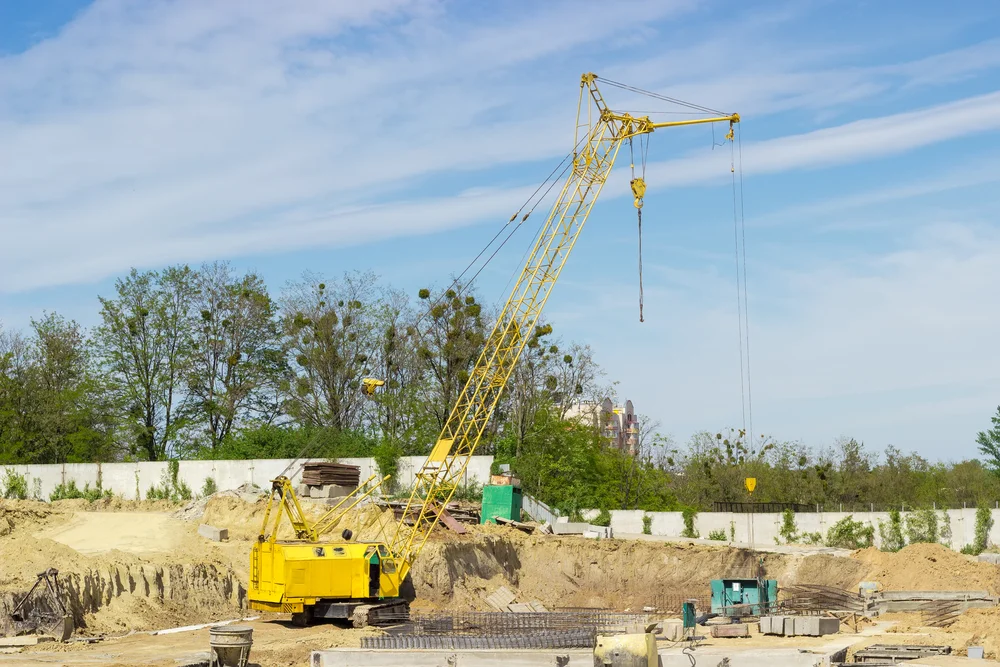
A lattice boom crane is a type of heavy-lift crane characterized by its distinctive truss-like boom, made from high-tensile steel sections connected by lattice-style frameworks. This design provides remarkable strength while remaining relatively lightweight, enabling it to lift extremely heavy loads to great heights.
Lattice boom cranes are commonly used for:
- Construction of bridges, refineries, and wind farms
- Industrial and infrastructure development
- Large-scale lifting in shipyards, energy plants, and offshore facilities
Why Specialize in Lattice Boom Operations?
Unlike telescopic or tower cranes, lattice boom models are built for the heaviest lifting tasks. Their fixed structure offers superior stability and greater reach, making them perfect for high-capacity industrial projects.
Operators skilled in these cranes are highly valued for their ability to manage complex, heavy-load operations safely and efficiently.
Is This Career a Good Fit for You? Requirements & Personal Traits
Before enrolling in a certification program, it’s important to understand the qualifications and personal traits that define successful crane operators.
Education & Eligibility
Most employers and training institutions require:
- A high school diploma or GED
- A minimum age of 18 years old
- Legal authorization to work in the United States
While a college degree isn’t required, completing a certified crane operator training program, like those offered through HEC, is a key step toward employment and certification.
Physical & Medical Requirements
Operating heavy machinery demands physical fitness and coordination. Students must typically pass a Department of Transportation (DOT) medical exam assessing:
- Vision and depth perception
- Hearing ability
- Reflexes and coordination
- Balance and hand-eye synchronization
These requirements ensure operators can safely maneuver complex machinery on job sites.
Skills & Traits for Success
If you enjoy hands-on work, problem-solving, and technical precision, becoming a lattice boom crane operator may be a great fit. Top professionals in the field share several key traits:
- Attention to Detail: Following load charts, signals, and safety procedures precisely
- Teamwork: Coordinating closely with riggers, signal persons, and supervisors
- Clear Communication: Clear and professional interactions to prevent on-site errors
- Mechanical Aptitude: Understanding how cranes function to troubleshoot basic issues
Training, Certification & Licensing

When looking for training or certification programs near you, it’s important to do your research and make sure you choose an accredited program. Look for programs that are endorsed by The National Commission for the Certification of Crane Operators (NCCCO), as they set the gold standard for heavy equipment operations.
A strong lattice boom crane program should cover:
- Crane components and functions
- Load dynamics and lift planning
- Rigging and signaling procedures
- OSHA and ASME safety standards
- Pre-operation inspections and maintenance
At Heavy Equipment Colleges of America, students train on real cranes under the guidance of expert instructors. Our programs emphasize hands-on learning, ensuring graduates are ready to operate confidently in real job conditions.
Each certification program includes both written and practical exams that assess operational skills, safety knowledge, and equipment handling.
Gaining Experience & Getting Your First Job
Once certified, your next step is gaining hands-on field experience. Most employers look for candidates who’ve trained on real equipment and understand both the technical and safety aspects of crane operations.
New operators often start in apprentice or ground crew roles before advancing to operator positions. Common entry-level roles include:
- Apprentice or Trainee Operator: Works under supervision to assist in lifting operations.
- Signalperson or Rigger: Communicates load instructions and ensures proper rigging.
- Yard or Ground Crew Member: Supports equipment setup, maintenance, and site prep.
As you gain experience, be sure to build your resume as you go. Highlight your certifications, hands-on training hours, and safety record. Employers prefer candidates who can demonstrate technical competency and commitment to safety.
Many employers seek candidates with:
- Valid NCCCO certification for the relevant crane class
- Knowledge of load calculations and site safety
- Professional reliability and teamwork skills
- Ability to travel or relocate for project-based work
What To Expect on the Job: Duties, Environments & Pay
Crane operation requires a combination of technical expertise, precision, and physical awareness. Whether you’re lifting steel beams or wind turbine components, your work ensures projects stay on schedule and meet safety standards.
Typical daily responsibilities include:
- Conducting pre-operation inspections and verifying load capacity.
- Reading blueprints and load charts to determine lift parameters.
- Operating cranes with direction from signalpersons and site supervisors.
- Monitoring equipment performance and reporting maintenance needs.
- Following OSHA and ASME safety regulations at all times.
Operators are also responsible for documenting inspection results and ensuring lifting areas are clear and compliant before each operation.
Lattice boom crane operators often work in fields such as construction, utilities, manufacturing, and shipping. Since many projects are conducted outdoors, operators should be comfortable working in varied weather conditions and maintaining their focus in high-stakes environments.
When it comes to salary, crane operators can earn anywhere from $66k a year to $95k a year based on their experience and certifications. Specialized lattice boom operators often fall in the higher end of the pay bracket due to the technical complexity and safety sensitivity of their work.

Career Progression & Advancement
A career as a lattice boom crane operator can open doors to higher-paying roles and leadership positions. As your skills and experience grow, so will your career opportunities. Over time, operators can work their way from an operator to a senior operator, supervisor, or even lift director.
Pursuing additional certifications can increase job opportunities and pay. Options include:
- Lattice boom crawler and truck endorsements (LBC/LBT) through the NCCCO.
- Signalperson or rigger certification to enhance job site versatility.
- Advanced crane safety or inspection training, which demonstrates exceptional professionalism.
Certification doesn’t last forever. Most NCCCO credentials must be renewed every five years, which requires either a written exam or a practical test. Continuing education through refresher courses and hands-on practice ensures you remain compliant with changing safety standards.
Tips for Success & Safety in the Field
Safety, communication, and professional integrity are the hallmarks of great crane operators. These habits not only protect workers but also build your reputation as a dependable professional.
Here’s a look at some basic tips that will help you lead a successful career as a lattice boom crane operator:
Safety Protocols and Best Practices
Following OSHA and ASME standards is non-negotiable in this line of work. Safety begins before you even start the lift. Key safety practices include:
- Conduct daily equipment inspections before operating.
- Verify load charts and rigging configurations for every lift.
- Maintain clear communication with your signalperson and team.
- Always wear personal protective equipment (PPE) and follow site safety briefings.
- Never operate a crane if visibility, stability, or load conditions are uncertain.
Networking and Mentorship
Connecting with experienced operators and joining professional organizations can accelerate your career growth. Many graduates build networks through:
- Industry associations such as NCCCO or local trade unions
- Mentorship programs and alumni networks
- Hands-on workshops and job fairs hosted by training institutions
Choosing the Right Training Program
Your training provider sets the tone for your entire career. Selecting an accredited, safety-focused program like HEC’s lattice boom crane course ensures you’re learning from certified instructors and practicing on industry-standard equipment.
Your Next Steps: Get Started Now with HEC
Becoming a lattice boom crane operator isn’t just about learning to handle heavy machinery; it’s about building a stable career where skill, precision, and safety matter. With proper training and certification, you can join high-demand industries that power infrastructure, energy, and global development.
If you’re ready to begin a hands-on career in heavy equipment operation, now’s the time to take action. Starting your journey as a lattice boom crane operator can be a clear and achievable path, especially with support from a trusted, accredited school like Heavy Equipment Colleges of America (HEC).
Step-by-Step Career Checklist
- Meet the basic requirements for age, education, and physical capabilities.
- Choose an accredited training program.
- Complete your NCCCO-accredited training and certification.
- Apply for entry-level positions.
- Build your resume and network.
- Stay current and keep learning.
Interested in starting a new career as a lattice boom crane operator? Apply online or explore why students across the country choose HEC as their path to success.
Prevent Accidents with Professional Training
Enroll in HEC’s Crane Operation Programs
Hands-On Training | Real Equipment Experience | Expert Instructors
Build a Safer, More Successful Career!
Start Enrollment ProcessFind The Right Location For You