
Excavators are powerful machines used in construction, demolition, mining, and infrastructure projects. Because these machines lift heavy loads and operate in demanding environments, they must be inspected regularly to ensure safe and efficient operation.
Routine inspections are essential for protecting both the equipment and operators. Even minor issues, such as hydraulic leaks or worn tracks, can lead to serious mechanical failures if they are not addressed early. Performing regular inspections helps extend the lifespan of the machine while reducing the risk of costly repairs or downtime.
At Heavy Equipment Colleges of America (HEC), we want to make sure operators know what to look for during an inspection. By following this excavator inspection checklist, operators can ensure the equipment is functioning properly and safe to use on the job site.
Table of Contents
Why Excavator Inspections Are Critical for Safety
Excavator inspections play a major role in keeping the work environment safe. Excavators operate with significant force and weight, so even a minor malfunction can cause damage to the equipment, workplace accidents, or injuries.
Regular inspections allow operators to detect problems before they escalate. For example, identifying hydraulic leaks, loose components, or structural damage early helps prevent unexpected breakdowns during operation. Addressing these issues promptly improves machine reliability and reduces the likelihood of workplace hazards.
Inspections also promote workplace efficiency. When your equipment is properly maintained and inspected, it runs more smoothly and performs tasks more effectively. This helps keep projects on schedule while minimizing downtime caused by equipment failures.
Documenting inspection results also helps ensure compliance with workplace safety standards and reinforces a culture of accountability among operators and supervisors.
When Should Excavators Be Inspected?
Excavators should be inspected regularly to keep them running smoothly. Routine inspections help identify potential issues before they become major mechanical problems.
Common times to perform an excavator inspection include:
- Before the start of each work shift
- After maintenance or repair work has been completed
- When a different operator takes control of the equipment
- After transporting the excavator to a new job site
- If unusual noises, vibrations, or performance issues pop up
Step-by-Step Excavator Inspection Checklist
1. Inspect the Work Area
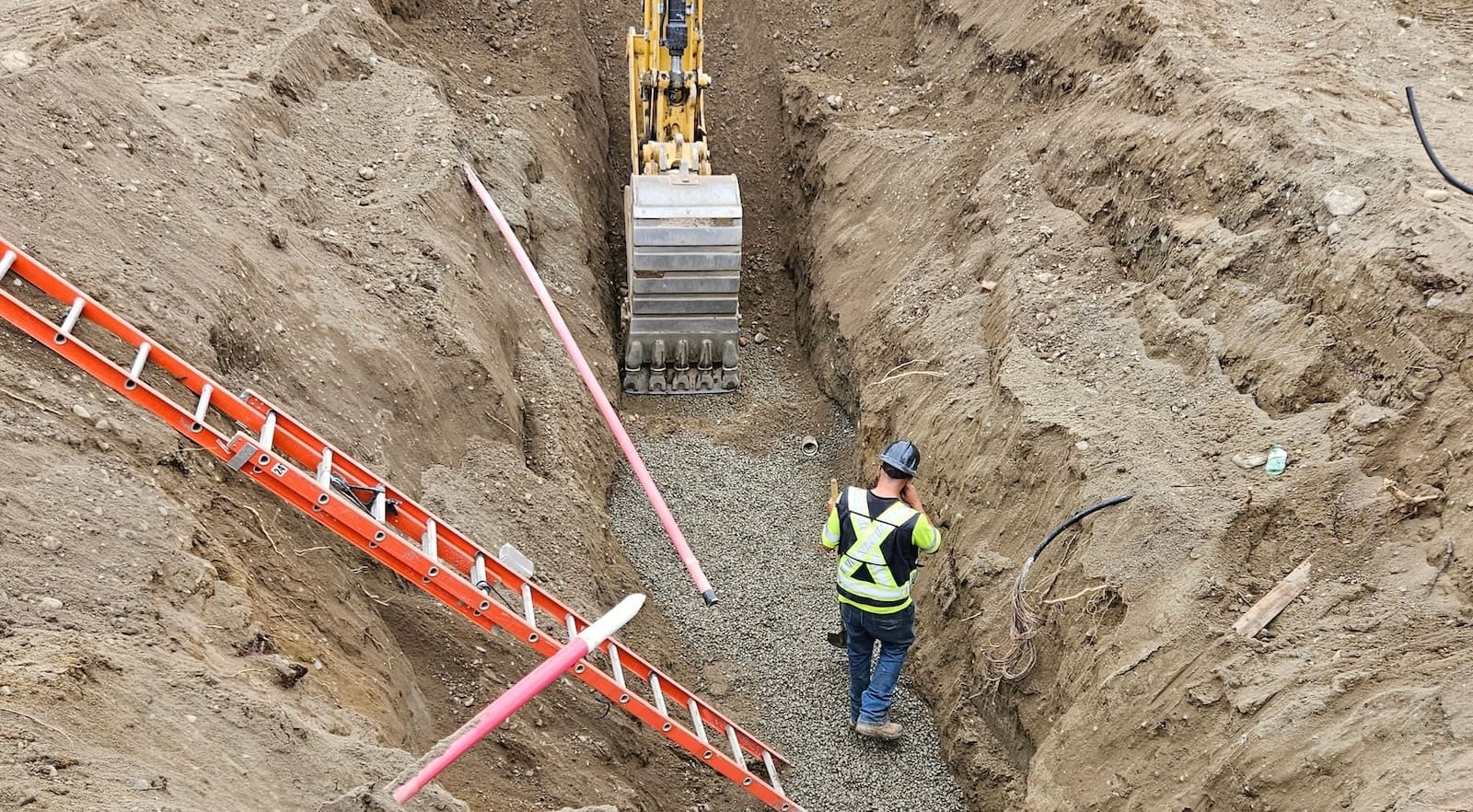
Before examining the machine itself, operators should first evaluate the surrounding work environment. A safe job site helps prevent accidents during equipment operation.
This should include:
- Clearing debris or obstacles around the equipment
- Checking that the ground is stable and capable of supporting the excavator
- Looking for overhead hazards such as power lines, structures, or trees
2. Perform a Walk-Around Inspection
Giving the equipment itself a quick visual check allows operators to identify visible damage or irregularities on the machine.
During this inspection, operators should:
- Look for cracks, dents, or structural damage
- Inspect the boom, stick, and bucket for signs of wear
- Ensure locking pins and retaining clips are secure
3. Check the Undercarriage
The undercarriage supports the excavator and keeps the machine stable. Maintaining a healthy undercarriage helps improve machine mobility and reduces mechanical strain.
Operators should check:
- Tracks, sprockets, rollers, and idlers
- Signs of excessive wear, damage, or debris buildup
- Proper track tension and alignment
4. Check Fluid Levels
Any low or contaminated fluids can lead to overheating, reduced performance, or equipment damage. Operators should make sure all fluid levels are within the recommended ranges and look for signs of leaks or contamination.
Key fluids to inspect include:
- Engine oil
- Hydraulic fluid
- Coolant
- Fuel level
5. Inspect the Hydraulic System
The hydraulic system powers the movement of the excavator’s boom, arm, and bucket. These components rely on hydraulic pressure, and any leaks or damage can affect machine performance.
During this inspection, operators should:
- Look for leaks in hydraulic hoses and cylinders
- Inspect fittings and connections
- Check the condition of the hydraulic oil
6. Inspect the Operator Cabin
The operator cabin houses the controls and safety features used to operate the excavator. Clear visibility and properly functioning controls allow operators to maintain awareness and control during equipment use.
Operators should check:
- Seat belt condition and functionality
- Control joysticks and foot pedals
- Mirrors and window visibility
- Safety alarms, warning lights, and indicators
7. Test the Equipment
After completing these visual checks, the final step is testing the excavator’s functions. Testing the machine helps confirm that all systems are working correctly before the work begins.
Operators should:
- Extend and retract the boom and dipper arm
- Move the bucket through its full range of motion
- Listen for unusual noises or vibrations
- Test instrument panels, gauges, and controls
Key Excavator Components to Inspect
Several key components should always be included in an excavator inspection checklist to ensure the machine as a whole remains safe and reliable.
Important components to examine include:
- Boom and stick: Check for cracks, bending, or structural damage.
- Bucket and teeth: Inspect for excessive wear or missing components.
- Hydraulic cylinders: Look for leaks or damaged seals.
- Tracks and undercarriage: Evaluate wear patterns and track tension.
- Engine compartment: Check belts, filters, and fluid systems.
- Safety systems: Confirm all alarms, lights, and indicators are functioning.
Best Practices for Excavator Safety Inspections
Consistent inspection practices help protect workers, improve machine reliability, and reduce unexpected downtime on job sites. Now isn’t the time to cut corners or rush through an inspection. Take a moment and make sure everything is in order.
When handling an excavator, be sure to always:
- Follow the manufacturer’s maintenance schedule to ensure the equipment receives routine service.
- Document inspection results using a checklist to track potential issues and repairs.
- Provide proper training for operators so they understand inspection procedures and equipment safety.
- Stop working if you notice serious issues.
Learn Excavator Operation and Safety Training
Operating an excavator requires more than simply learning the controls. Construction sites can present serious hazards, and operators must understand how to recognize and avoid risks while working with large machinery.
According to the Occupational Safety and Health Administration (OSHA), workplace accidents continue to affect many workers across the construction industry each year. Proper training helps reduce these risks by teaching operators how to inspect equipment, follow excavator safety procedures, and operate machinery responsibly.
Become A Certified Excavator Operator with HEC
Becoming a certified heavy equipment operator can open the door to a wide range of career opportunities in construction, infrastructure, mining, and other industries that rely on skilled equipment operators.
At Heavy Equipment Colleges of America, we provide hands-on training programs designed to help students build the skills needed to operate excavators and other heavy machinery safely.
Our faculty offers extensive educational programs, including:
- Certificate of Heavy Equipment Operations – Level I
- Certificate of Heavy Equipment Operations – Level II
Ready to start your career as an excavator operator? Apply online or contact our admissions office to learn more.