Introduction to HVAC System Components
Heating and cooling is something that many people take for granted but would not want to live without in the middle of summer or the dead of winter. However, an HVAC system is more than just blowing hot or cold air around in your home. This system consists of a ton of moving parts that all have to work together to safely and efficiently heat up or cool down your space.
Interested in HVAC systems but not sure how they work? Do not fret, we are here to help. In this post, we will go over the basics of what an HVAC system is, how it works, the key HVAC components and what they do, as well as the basics of how to take care of an HVAC system.
Table of Contents
What Is An HVAC System And How Does It Work?
HVAC stands for Heating, Ventilation, and Air Conditioning. An HVAC system is a network of connected units that work together to regulate indoor temperatures, air quality, and humidity levels. A furnace creates heat to keep you toast in the winter, and an air conditioner creates cool air to keep you comfortable during the summer. Filters in the duct system collect dust and other contaminants before they cycle through the home, improving air quality and reducing allergens in the air.
13 HVAC Components and Their Functions
Now that you know what an HVAC system is, what is the next step? If you want to get certified as a heating and air technology technician, or you are just curious about how HVAC systems work, it is important to know the components of an HVAC system as well as the function of HVAC parts. We will briefly go over 13 basic HVAC components, how each part works, and how an HVAC system works as a whole.
How Long is HVAC Training at HEC?
Our Heating and Air Technology program can be completed in as little as 7 weeks at our Oklahoma City campus. Upon program completion, students are prepared to earn their HVAC certification and enter the workforce.
View ProgramView Campus Info1. Air Conditioning Unit
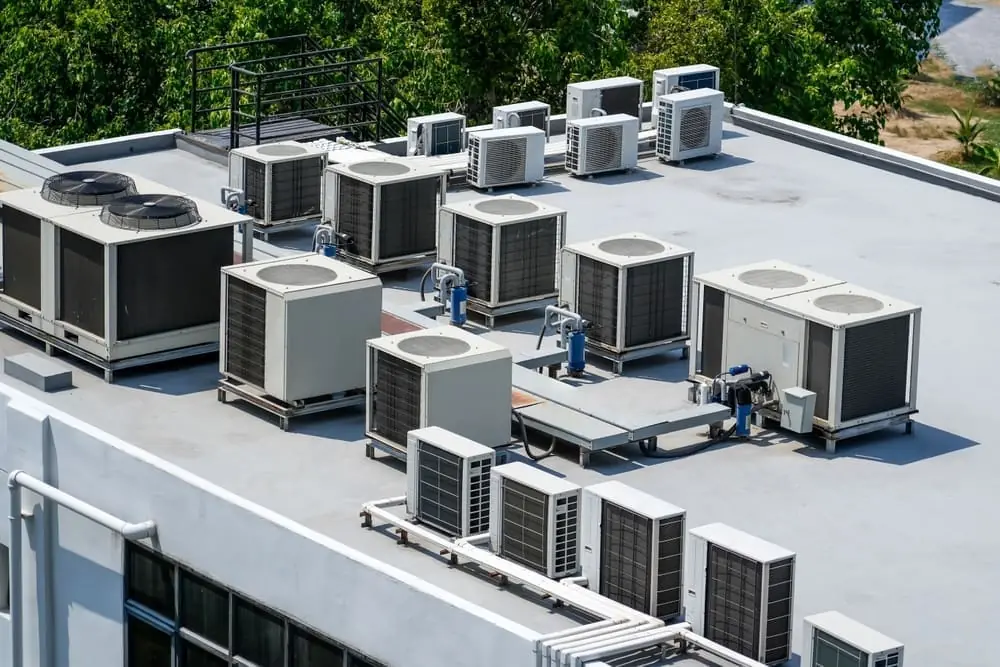
The air conditioning unit, or an AC for short, draws in warm air from your home and recirculates it as cool air. An AC unit removes heat and moisture from the air and sends it outside your home, passing it through a scientific process to effectively cool the air with refrigerant before sending that cool air back into your home. This is what keeps your home comfortable in the summer at the perfect temperature.
The AC unit on its own is not the same as an entire HVAC system. And within an AC unit, there are different components working together to safely remove cool your home.
2. Refrigerant
Refrigerant and refrigerant lines are what cool off the air in your home and transfer the refrigerant between the indoor evaporator coil and the outdoor condenser coil.
Although refrigerant is a key component of many HVAC systems, not all technicians are trained and certified to work on refrigerant. The EPA requires separate training and certification to work on refrigeration equipment. This is to ensure refrigerant fluids and materials are handled and disposed of appropriately.
3. Evaporator Coil
The evaporator coil cools off the warm air that comes into your air conditioner. The warm air travels over the coils, and the refrigerant inside of the coils absorbs the heat and cools off the air before it is sent back into the rest of your house.
4. Compressor
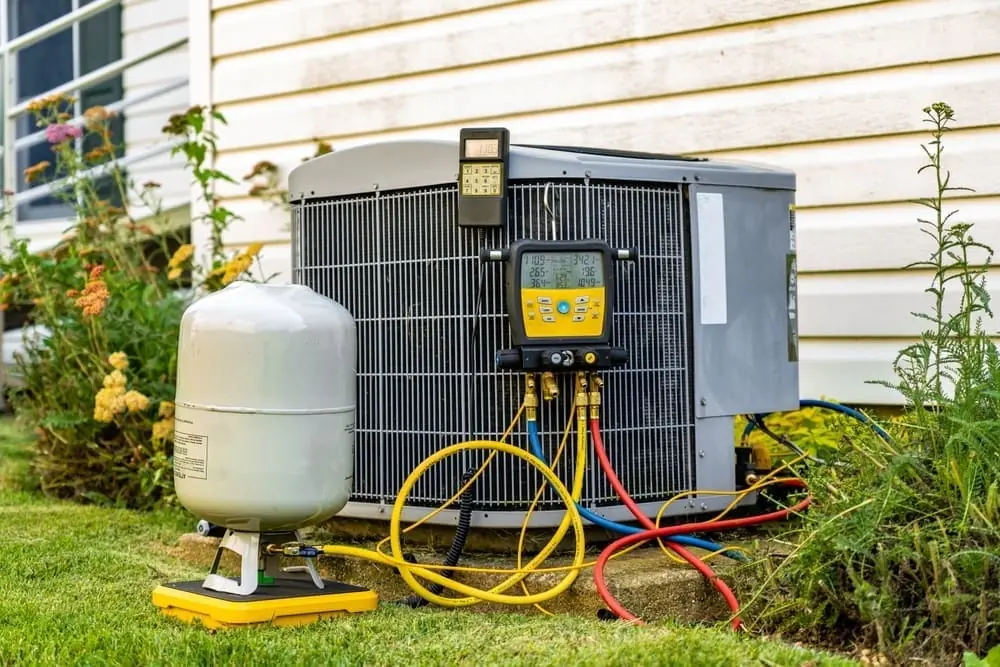
Inside the condenser unit is the compressor, which compresses refrigerant vapors. It does this so that there is an increase in pressure and temperature in the condenser, improving the energy efficiency of your HVAC system.
5. Condenser Coil
The condenser coil is a part of the outdoor air conditioning unit that releases the heat that was trapped by the evaporator coils. This heat is released into the air outside of your home so your house remains cool in the summer.
6. Expansion valve
The expansion valve sits between the condenser and the evaporator, and its job is to allow the refrigerant in your air conditioner to expand into a gas and therefore absorb more heat.
7. Furnace
Opposite of the air conditioning unit, the furnace draws in cold air from your home and warms it up using a series of burners and coils. This warm air is then pumped into your home, keeping you nice and toasty during the winter.
8. Heat Exchanger
As the name suggests, the heat exchanger helps transfer heat from one place to another. This can be from the outside into your home, or the other way around, and it helps to keep your home warm during the winter. Cool air is passed over a a metal chamber that is heated through either an electric heating element or combusted fuels trapped in the chamber, depending on whether your HVAC system uses gas or electric (or a split system).
For those with on natural gas, there’s no need to worry about whether the air in your home is safe: It is completely protected from the fuel. The air is heated using conduction, which means it never directly comes in contact with the fuels, it only passes over the hot metal.
9. Electrical Elements
The electrical elements of your HVAC system ensure proper safety, control, and operation of your unit. These can include the thermostat, capacitors that store energy for fan motors, and compressors.
10. Thermostat
The thermostat is like the brain of your HVAC system. It controls the temperature that your home needs to maintain, and it uses that information to signal when the heat or air conditioner needs to turn on to maintain that set temperature.
11. Blower Motor
The blower motor powers the fan inside your air handler, pushing heated or cooled air through your ductwork and into every room. Without a working blower motor, your HVAC system can produce warm or cold air but has no way to circulate it through your home.
12. Fan
Fans help move both warm and cool air throughout your home and distribute it evenly to maintain the set thermostat temperature. Both your heating and cooling systems use a series of fans to move air around.
13. Air Ducts and Vents
The air ducts and vents in your HVAC system are what transfer the hot or cold air produced from your furnace or air conditioner to the rest of your home. HVAC ductwork should be inspected and cleaned periodically, as dust buildup, leaks, and poor connections can reduce airflow and force your system to work harder than it needs to.
Why It’s Important to Hire Licensed HVAC Technicians for Every Job
This post will go over what an HVAC technician does, why you should hire a professional to work on your heating and cooling systems.
Learn WhyHow To Take Care Of Your HVAC System?
Having regular maintenance performed
Routine maintenance and check-ups for your HVAC system can help to catch issues early on before they become more serious. These appointments should be scheduled around twice a year, checking your air conditioning in the spring and your heating in the fall.
Changing air filters
The air filters in your HVAC system should be replaced every 6 weeks, or earlier if you start to notice an increase in dust or dander in your home.
Clearing the area around your AC condenser
Since the condenser is outside of your home, it is important to make sure that the area around it is clear of any debris such as leaves or snow. This ensures that the unit has proper ventilation and airflow to circulate air properly.
Calling a Professional HVAC Technician
Lastly, if you notice that something is wrong with your HVAC system and you do not feel comfortable or confident dealing with it on your own, do not hesitate to reach out to your local HVAC company and schedule an appointment with a licensed technician.
Start Your Career with HVAC Skilled Trade Training in Oklahoma
Do you have an interest in working in the skilled trade industry, and want to become a certified HVAC technician? Whether you are fresh out of high school or looking for a career change, the Heavy Equipment Colleges of America Oklahoma Campus is a great place to start. Our extensive Heating and Air Technology program will give you the knowledge and skills to gain an entry-level position with an HVAC company. Once you complete our program, you will be ready to ace Oklahoma’s HVAC certification exam and work in the state of Oklahoma as a certified HVAC technician!
Interested in joining the HVAC certification program at Heavy Equipment Colleges of America? Contact us today or visit our website to learn more about our Heating and Air Technology Program in Oklahoma. We are more than excited to help you begin your career in the HVAC industry, and we will walk with you through every step of the process to set you up for success.
NOW ENROLLING
Apply Online: Heating and Air Technology Certification at HEC
At Heavy Equipment Colleges of America, you can prepare for an HVAC career in as little as seven weeks. Our accelerated program builds fundamental HVAC technician skills through expert-led classes and hands-on training sessions.
Start Your Application