The demand for skilled electrical professionals continues to grow as infrastructure expands across the United States. Careers like transmission linemen and substation technicians play a critical role in keeping power systems running safely and efficiently. A transmission lineman works directly on high-voltage power lines, while a substation technician focuses on the equipment that regulates and distributes electricity.
These roles work together to keep the power on, and our team at Heavy Equipment Colleges of America (HEC) is here to break it down. This guide breaks down their responsibilities, training requirements, salary potential, and long-term outlook so you can determine which path aligns with your goals.
Table of Contents
What Is a Transmission Lineman?
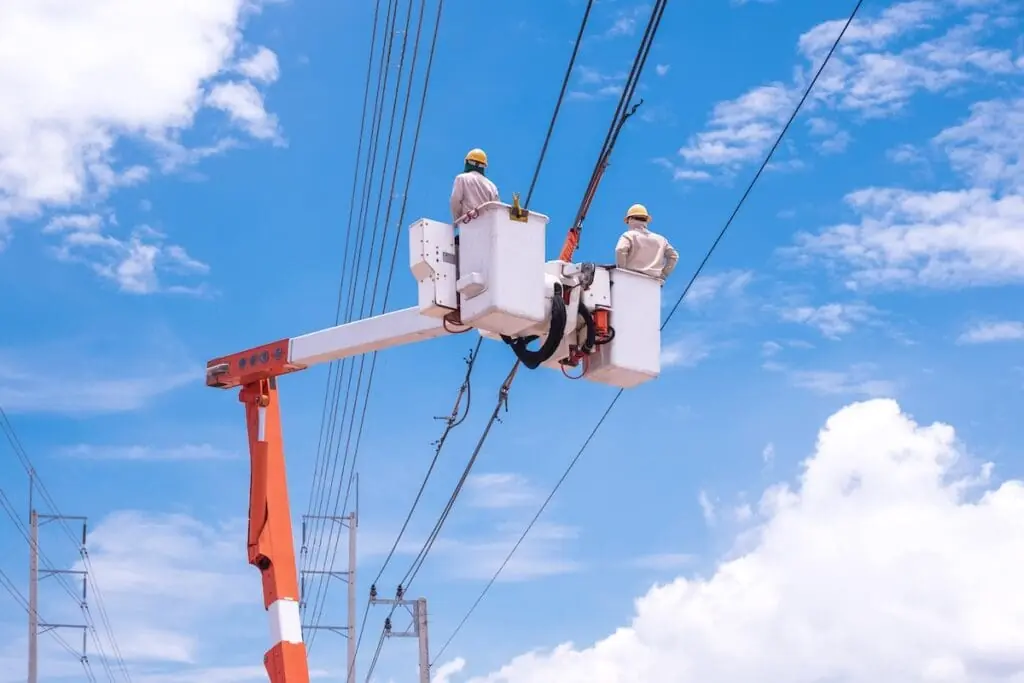
A transmission lineman is responsible for installing, maintaining, and repairing high-voltage power lines that move electricity across long distances. These lines typically operate at 69kV or higher and connect power plants to substations.
Core Responsibilities of Transmission Linemen
Transmission linemen handle a range of physically demanding and safety-critical tasks, including:
- Installing and repairing high-voltage transmission lines
- Inspecting equipment to prevent failures and outages
- Responding to emergencies and restoring power systems
- Performing routine maintenance on poles, towers, and conductors
Each task requires strict adherence to safety protocols, especially when working around energized lines.
Work Environment and Conditions
- Climbing poles or towers at significant heights
- Traveling across service territories for job assignments
- Working long hours during outages or emergency situations
What Is a Substation Technician?
In comparison, a substation technician focuses on the systems that control and regulate electrical power as it moves from transmission lines to local distribution networks. Instead of working on overhead lines, substation technicians operate in controlled environments, managing equipment such as transformers, switchgear, and protective relays.
Their role is more technical and diagnostic, requiring precision and attention to detail.
Primary Duties of Substation Technicians
- Inspecting and maintaining electrical equipment
- Testing transformers and protective relay systems
- Monitoring system performance and identifying issues
- Troubleshooting faults and ensuring proper operation
Technology Focus Areas
- Digital relay systems and automated controls
- SCADA systems for monitoring and data collection
- Power quality analyzers and diagnostic tools
Key Differences: Lineman vs. Substation Technician Comparison
| Category | ⚡Lineman | 🔧Substation Technician |
|---|---|---|
| Work Environment |
Outdoor Physically demanding field work; exposed to weather, heights, and high-voltage conditions on the job site |
Indoor / Controlled Facility Primarily facility-based work within substations and controlled electrical environments |
| Primary Focus | High-voltage line installation, maintenance, and emergency repair on overhead and underground systems | Equipment testing, system diagnostics, and ensuring substation infrastructure operates safely and efficiently |
| Skill Emphasis | Mechanical aptitude, physical endurance, spatial awareness, and hands-on equipment operation under pressure | Deep electrical theory knowledge, analytical problem-solving, and precision diagnostic skills |
| Training Focus | Pole climbing, fall protection, safety protocols, rigging, and heavy equipment operation | Electronics fundamentals, relay systems, system testing procedures, and substation operations |
Daily Work Activities Comparison
A typical day for a transmission lineman may include climbing towers, replacing damaged components, and responding to outages in the field. In contrast, a substation technician may spend the day testing equipment, analyzing system data, and performing preventive maintenance in a controlled environment.
Skill Requirements and Aptitudes
Transmission linemen need strong physical fitness, the ability to work at heights, and the ability to handle demanding conditions. Substation technicians rely more on technical knowledge, problem-solving skills, and precision when working with complex systems.
However, both roles require an in-depth understanding of electrical safety and industry standards.
Training and Education Pathways
Choosing the right training path is a key step toward starting either career. Many students begin by exploring heavy equipment training programs that offer foundational skills and hands-on experience.
Transmission Lineman Training Programs
Transmission lineman training focuses on preparing students for fieldwork through:
- Climbing techniques and fall protection training
- High-voltage safety protocols
- Equipment operation and job site procedures
Hands-on training is especially important, as it allows students to build real-world skills before entering the workforce.
Substation Technician Education
- Electrical theory and circuit analysis
- Relay testing and protection systems
- Computer systems and SCADA training
HEC Powerline Program in Stonecrest, Georgia
Students interested in becoming linemen can train through the HEC Powerline Program. This program follows the T&D PowerSkills Curriculum (TDPS) and focuses on practical, hands-on training designed to prepare students for real job conditions.
Students can complete training in as little as 3 weeks at our campus in Stonecrest, Georgia. You also have the option to earn a CDL, which is required for many transmission lineman jobs. This type of training helps graduates pursue opportunities across the United States.
Start Building Your Career in the Power Industry
Both transmission linemen and substation technicians play vital roles in keeping the power on. Choosing the right path depends on your interests, strengths, and long-term goals.
If you're ready to take the next step, our Powerline Program at Heavy Equipment Colleges of America (HEC) provides hands-on training designed to set you up for success. With experienced instructors and industry-relevant curriculum, students gain the skills employers are looking for.
Apply TodaySalary and Career Outlook Comparison
Transmission Lineman Earning Potential
How much does a transmission lineman make per year? A transmission lineman’s salary varies based on their experience, location, and overtime opportunities. Entry-level positions offer competitive wages, while experienced linemen can earn significantly more, especially when factoring in emergency response pay and overtime.
Substation Technician Compensation
Tools and Equipment Used
Transmission Lineman Tools and Safety Gear
Transmission linemen rely on specialized tools designed for high-voltage work, including:
- Climbing gear and fall protection systems
- Hot sticks and insulated tools
- Bucket trucks and tensioning equipment
These tools allow linemen to work safely on energized lines and elevated structures.
Substation Testing and Diagnostic Equipment
Substation technicians use precision instruments to monitor performance and identify potential issues before they lead to outages. These can include:
- Relay testing equipment
- Power quality analyzers
- Computer-based diagnostic systems
Get Started with HEC
Explore your future in the power industry and start building a career with purpose.
Apply online today or get in touch with our admissions representatives and take the first step towards your new career.
Apply Today