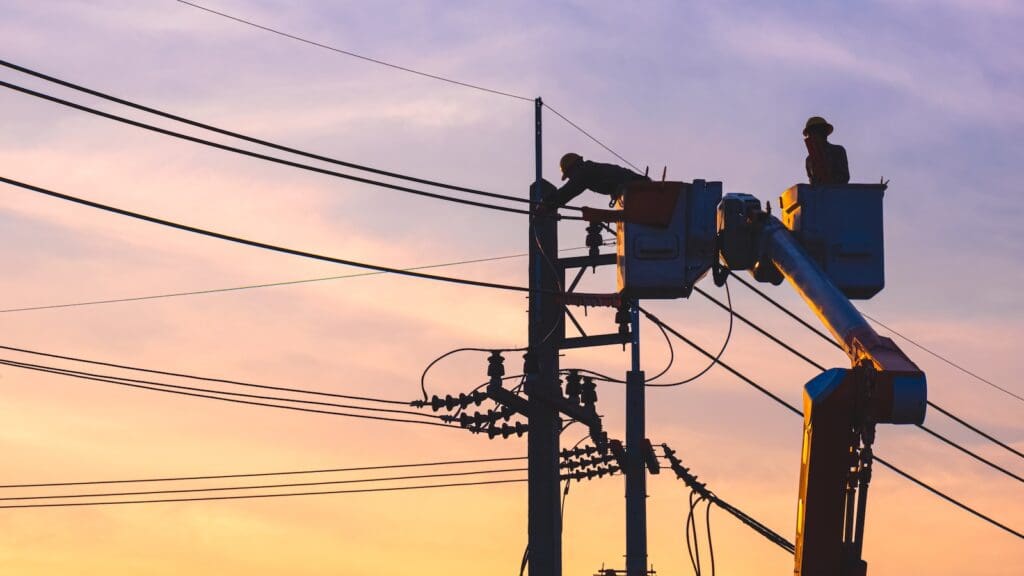
Powerline workers help keep the lights on, literally. From restoring electricity after major storms to maintaining the infrastructure that powers homes, hospitals, and businesses, linemen are needed in every community.
If you’ve been looking for a career that offers stability, strong earning potential, and hands-on work that makes a real difference, becoming a lineman may be the perfect fit for you. This career path is not only essential but also rewarding for people who enjoy working outdoors and solving real-world problems.
At Heavy Equipment Colleges of America (HEC), we prepare students for success in their new career paths. We’ll walk through what linemen do, what training is required, and how to become a lineman yourself.
Table of Contents
Why Become a Lineman
A career as a lineman offers more than just a steady paycheck. It provides long-term opportunities, a clear path for advancement, and the chance to be part of something bigger than yourself.
Here are some of the top reasons people choose this career path:
- High earning potential: Linemen earn competitive wages, especially as they move into journeyman roles and take on more responsibilities.
- Clear career progression: There’s a structured path from entry-level positions to apprenticeships and, eventually, to journeyman status.
- Work outdoors: This role is ideal for individuals who prefer active, hands-on work instead of sitting at a desk all day.
- Job security: Electricity is essential, so skilled power line workers are always in demand.
- Meaningful work: Linemen help restore power during emergencies and keep communities running safely.
What Do Linemen Do?
So, what does a lineman do on a daily basis? Linemen install, maintain, and repair the systems that deliver electricity across cities, towns, and rural areas.
Typical responsibilities include:
- Installing power lines, poles, and electrical systems
- Inspecting infrastructure to identify wear or damage
- Repairing lines after storms, outages, or accidents
- Climbing poles or working from elevated bucket trucks
- Operating specialized tools and heavy equipment
- Following strict safety protocols at all times
The job can be physically demanding and sometimes requires long hours, especially during emergencies. However, it also offers a strong sense of accomplishment because your work directly impacts people’s daily lives.
Where Do Linemen Work?
Most linemen work for utility companies, but the field offers a variety of work environments and opportunities. Depending on your role and employer, your job site could change frequently.
- About 48% of linemen work for utility companies, according to the Bureau of Labor Statistics.
- Others work for private contractors, municipalities, or telecommunications companies.
- Job locations range from busy cities to remote rural areas.
- Travel is common, especially when responding to storm damage or large-scale outages.
This variety keeps the work interesting and allows power line workers to gain experience in different environments. Many professionals in this field also enjoy the opportunity to travel and take on new challenges.
What Training Is Required to Work on Power Lines?
Becoming a lineman requires a combination of education, training, and hands-on experience. While some people enter the field with little experience, most employers prefer candidates who have completed some level of formal electrical lineman training.
Basic job requirements include:
- A high school diploma or GED
- A valid driver’s license, often a CDL-A
- Completion of a line school or technical training program
- Enrollment in an apprenticeship program
Because the job involves high-risk environments, proper training is essential before stepping onto any job site. Specialized lineman job training programs help you build foundational skills and understand the safety standards required in this field.
At Heavy Equipment Colleges of America, our HEC Powerline Program is designed to prepare students with hands-on experience and industry-relevant training. Students also receive comprehensive OSHA safety training, including the OSHA 10-Hour Electrical Transmission & Distribution Construction Safety Training.
Get Started with Heavy Equipment Colleges of America
If you’re ready to start a new career as a lineman, getting the right training can help you stand out in a competitive field. The right training program gives you the foundation you need to move forward with confidence.
You can begin your lineman training at our Georgia campus, where students receive instruction designed to support career success. Apply today or get in touch with our admissions office to learn more!
Apply Today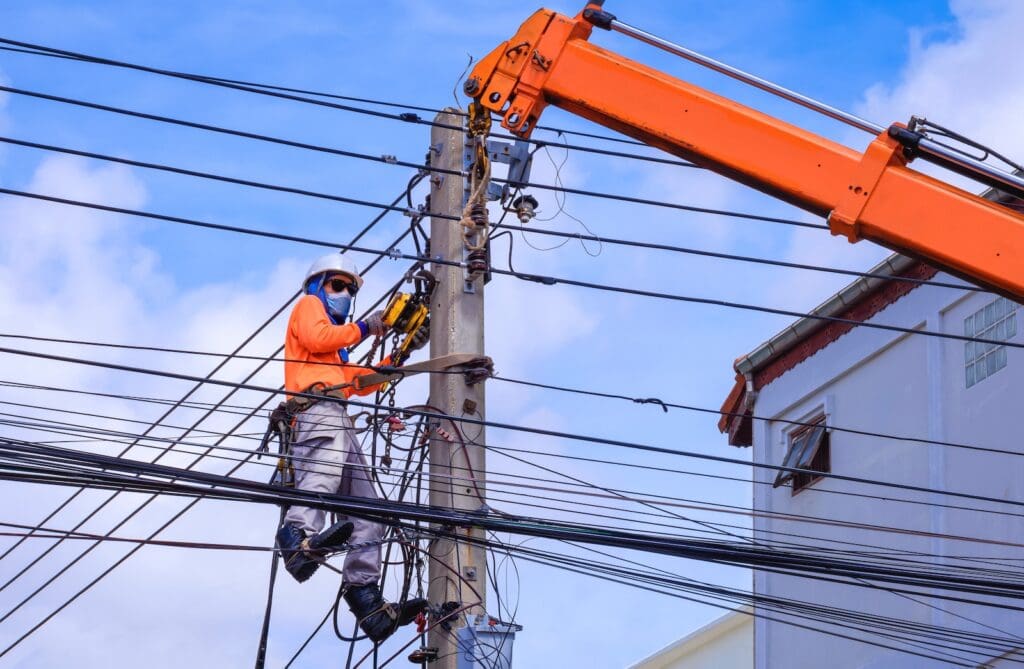
How to Become a Professional Lineman
If you’re wondering how to become a lineman with no experience, the process is relatively straightforward. However, it still requires dedication and effort. Each step builds on the last, helping you develop the skills you need to succeed in the field.
1. Meet Physical Requirements
This is a physically demanding career that requires strength, balance, and endurance. Linemen often work at significant heights and in various weather conditions, so being comfortable in these environments is essential.
You’ll need:
- The ability to work at heights safely
- Strong physical stamina and coordination
- Good vision, including color recognition for identifying wires
2. Meet Basic Job Requirements
Before applying for lineman training programs or entry-level roles, you’ll need to meet a few basic qualifications. These requirements help ensure that candidates are prepared for the demands of the job.
You must:
- Be at least 18 years old
- Have a high school diploma or GED
- Pass a drug screening and background check
3. Gain Entry-Level Experience
Many aspiring linemen begin their careers as groundmen, which is an entry-level role that supports experienced crews. This position allows you to learn the basics while working in a real job environment.
As a groundman, you’ll:
- Assist with tools and equipment
- Learn job site safety procedures
- Gain exposure to construction or utility work
This experience is often seen as a stepping stone into a formal apprenticeship.
4. Attend a Line School
Attending a line school can give you a significant advantage when applying for apprenticeships. It shows employers that you’re serious about your career and have invested time in learning the trade.
Benefits of line school include:
- Hands-on training with industry equipment
- Preparation for CDL-A licensing
- Exposure to safety practices and technical knowledge
- Increased competitiveness in the job market
Choosing the right vocational training program for powerline workers is essential. Our HEC Powerline Program follows the T&D PowerSkills curriculum, a nationally-recognized curriculum known for developing the right skillset for graduates.
like the one we offer at HEC are designed to align with what employers are looking for in new candidates.
Different Lineman Career Specialties
As you gain experience, you may choose to specialize in a specific area of linework. Each specialization comes with its own responsibilities and work environments.
- Transmission Linemen: These professionals work on high-voltage lines that carry electricity over long distances. The job often involves working on tall towers or large structures.
- Distribution Linemen: Distribution linemen focus on delivering electricity directly to homes and businesses. They work on low-voltage systems and are often responsible for restoring power to local outages.
- Underground Linemen: Instead of working on overhead lines, these linemen install and maintain underground electrical systems. This role often involves trenching, cable installation, and repairs.
- Substation Technicians: These workers maintain the equipment that converts high-voltage electricity into usable power. Their work is critical to ensuring safe and efficient energy distribution.
- Telecommunications Linemen: This specialization focuses on fiber optics, internet, and communication systems. It’s a growing field as demand for connectivity continues to grow.
Career Outlook for Powerline Workers
The demand for skilled linemen continues to grow as infrastructure expands and energy needs increase. This makes it a strong career choice for long-term stability and growth. As a matter of fact, the Bureau of Labor Statistics projects 7% job growth from 2024 to 2034, which is faster than the average for other careers.
How much do linemen make an hour?
According to the U.S. Bureau of Labor Statistics, the median annual salary for linemen in 2024 was around $92,560, though this can vary depending on your location and level of experience. Experienced journeyman linemen can earn significantly more depending on their education and years of work experience.
Apply to the Powerline Program Today
At Heavy Equipment Colleges of America, we focus on hands-on learning that prepares students for real job conditions. Our programs are built around safety, technical skills, and practical experience so you can pursue apprenticeship opportunities with confidence.
Apply Today