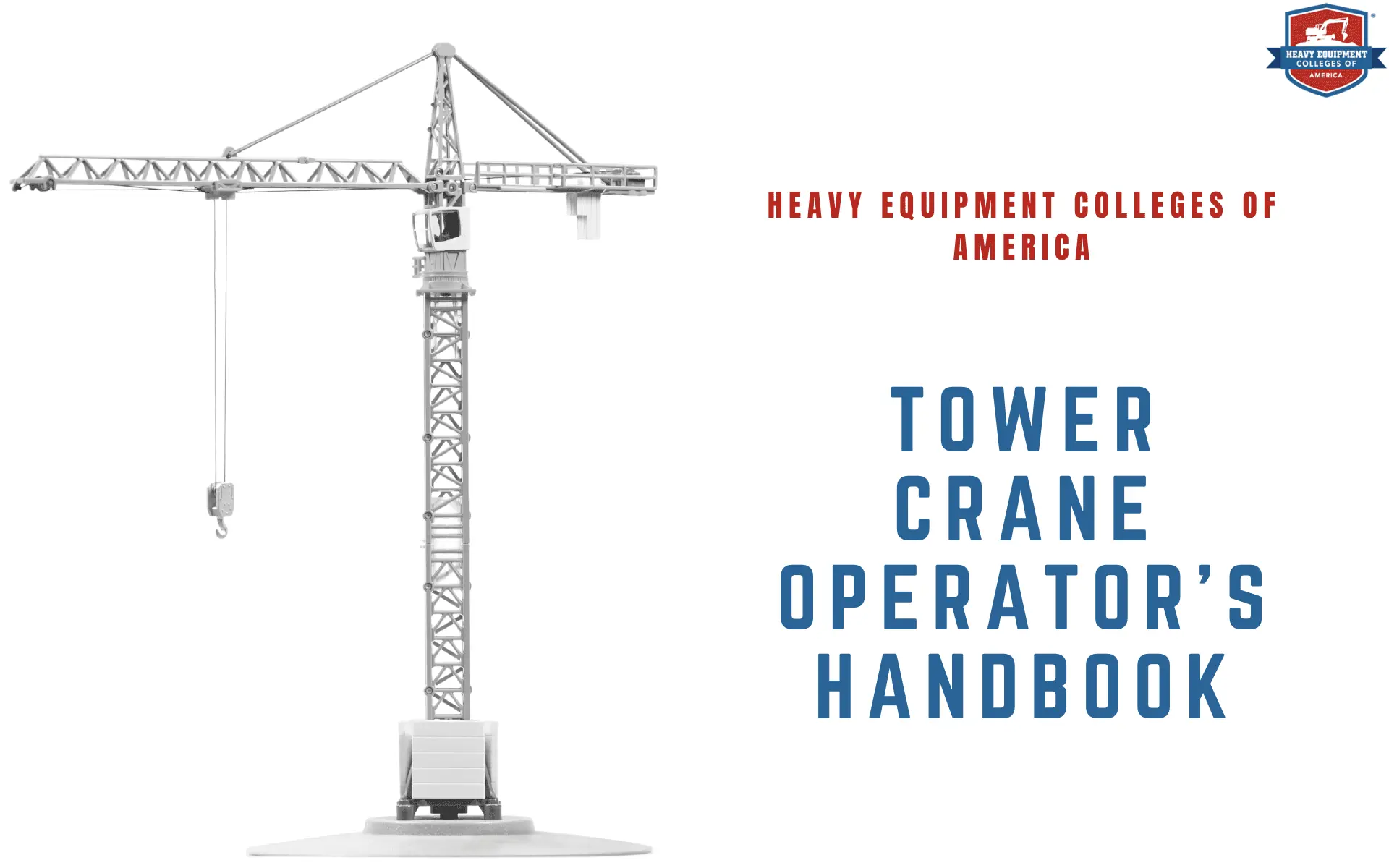
Tower Crane Operator’s Handbook
This Tower Crane Operator’s Handbook, 2024 Edition, gives you information about the importance of tower cranes, parts, and their importance.

This Tower Crane Operator’s Handbook, 2024 Edition, gives you information about the importance of tower cranes, parts, and their importance.

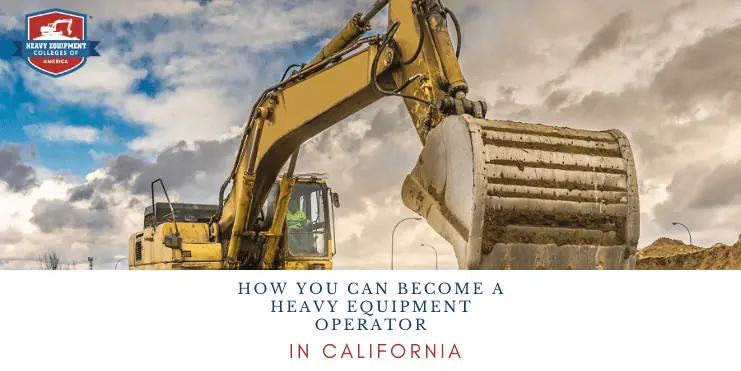
Heavy equipment operation offers many opportunities. Learn 5 steps to becoming a qualified heavy equipment operator in California.

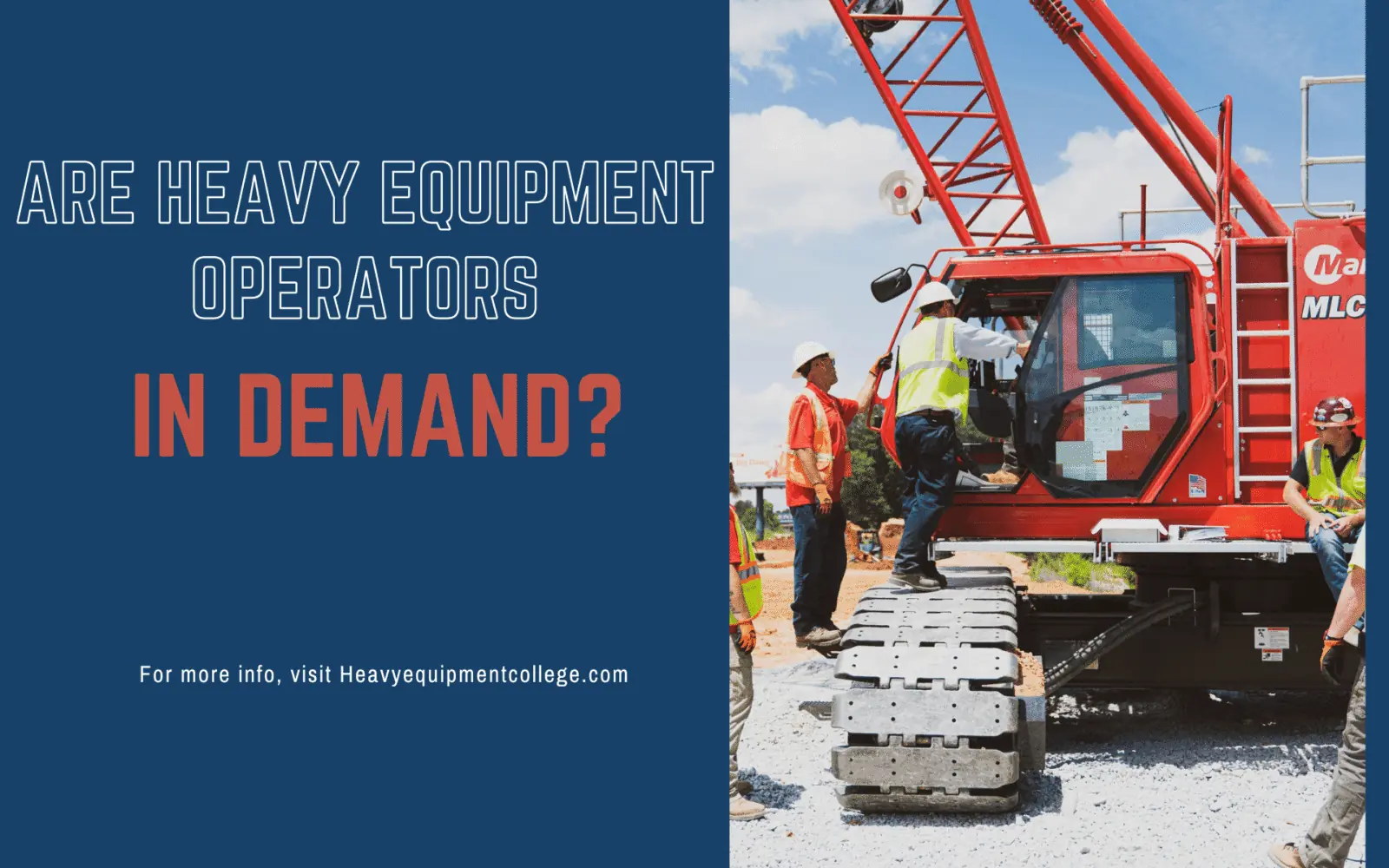
Regardless of the path you choose, heavy equipment operators are expected to stay in demand for years to come.

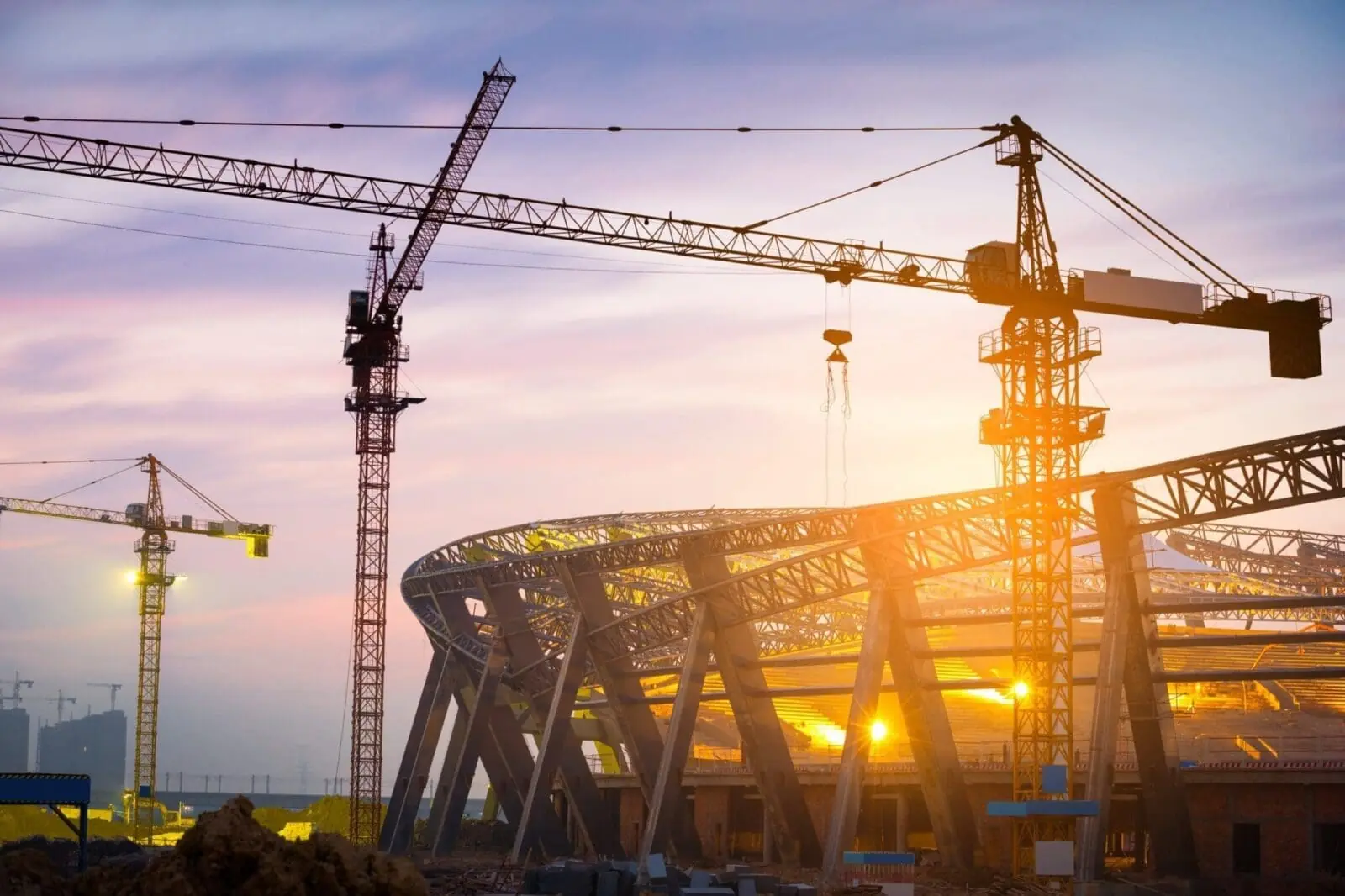
To construct some of the tallest buildings in the world, construction crews rely on the power and reach of the Tower crane. This type of crane is known as a fixed crane because it’s stationary on the construction site. Due to its size and power, the Tower crane is typically used to move materials around the site and where other

Excavators are a key heavy equipment piece to many projects. Sometimes called diggers, most excavators contain the same components. The most recognizable features of any excavation are the boom, dipper, and bucket. Each component comes together to move heavy objects, dig, or demolish them. But with such immense size and power comes the responsibility of ensuring that you’re operating safely.

The construction industry offers a wide range of crane-operator careers. However, before you can start looking for jobs, you need to choose the right training. Deciding between mobile crane and tower crane training is a crucial decision that will shape your career in heavy equipment operation. At Heavy Equipment Colleges of America (HEC), we offer specialized training programs for both

Table of Contents Construction safety should be at the top of everyone’s priority list, yet accidents due to negligence still occur on sites across the country. Whether you are operating a mobile crane or some other heavy equipment, you must do so safely. Even slight errors can result in injury or death. From planning and preparation to maneuvering the vehicle

Injuries that result from forcible contact or impact between a person and a piece of equipment or object are referred to as struck-by injuries, as defined by OSHA. They are the leading cause of injury and number two cause of death in the construction industry according to the CDC. Struck-by injuries account for nearly a third of all nonfatal construction

A bulldozer is a versatile machine used to perform a variety of tasks on a construction site. With a blade mounted in the front and a ripper in the rear, a bulldozer, moves materials, and levels land. As a bulldozer operator, you have more job opportunities in the construction industry. Whether you’re changing careers or just starting out if you

Let’s look at the differences between excavators and bulldozers, their uses, and determine which is best for the job at hand.

Staying Safe in the Construction Industry On nearly every construction site, you’ll find heavy machinery operators diligently digging, excavating, or building a better future. Heavy machines assist in the loading and unloading of heavy materials, and overall speed up the construction process. Equipment safety is vital to ensuring a smooth construction site. OSHA reports that 1 in every 5 workplace

In March of 2022, there were 396,000 job openings in the construction industry, which is 60,000 more than the year before. Construction workers build our future, and as many industries are struggling to fill job openings, the construction industry is no different. But there are ways to mitigate this labor shortage. Keep reading to explore some causes of the labor
"*" indicates required fields
Take a quick look at goals, interests, and skills to see if Heavy Equipment or Crane Operation is right for you. This easy quiz will guide you through the process.