A front-end loader operator plays a key role in construction, mining, and other industries that rely on heavy equipment to move materials quickly and safely. If you’re interested in becoming a certified front-end loader operator, you’ll be able to build a stable, long-lasting career.
Across the country, demand for skilled equipment operators continues to grow as infrastructure projects expand and industries rely on efficient material handling. At Heavy Equipment Colleges of America (HEC), we want to make sure every operator has the training they need to thrive in the industry. In this guide, we’ll walk you through what a front-end loader operator does, the training and certification process, and what you can expect from this career path.
Table of Contents
What Is a Front-End Loader Operator?
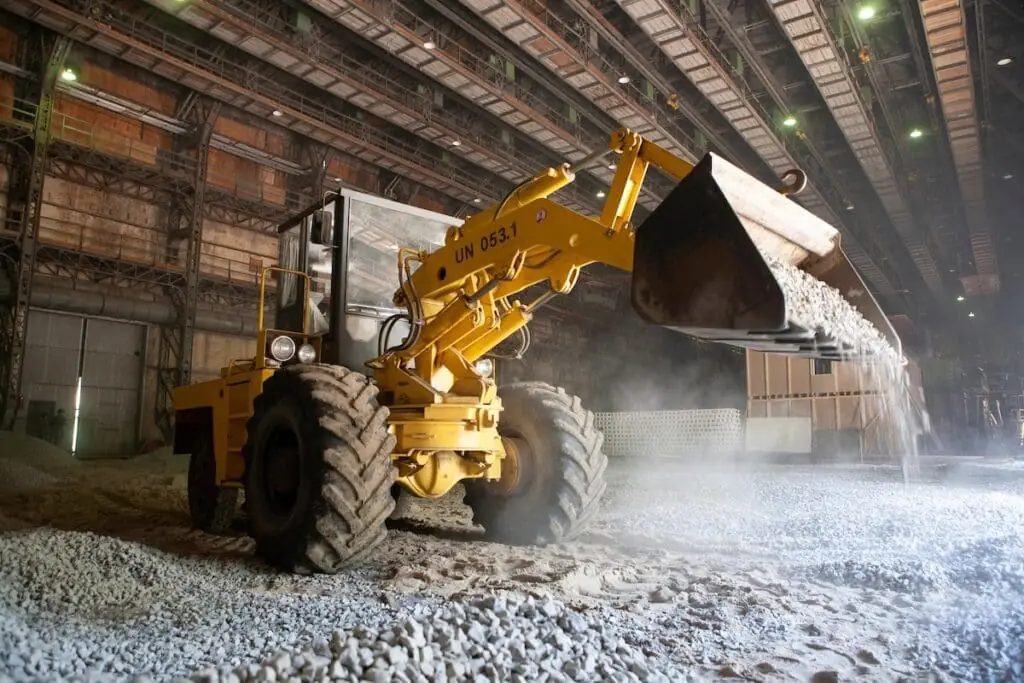
A front-end loader operator is responsible for operating heavy machinery designed to scoop, lift, and transport materials like dirt, gravel, sand, and debris. These machines, often called bucket loaders, are essential for keeping job sites productive and organized.
Front-end loaders generally fall into two categories: Wheel loaders and track loaders. The terrain often dictates which machine to choose for the job. Skilled operators will know how to operate both types, and understand when to use different machines for different jobs. Unlike a skid steer or backhoe, a front-end loader moves larger volumes of material more efficiently.
Primary Job Responsibilities
The job description for a front-end loader operator typically includes a mix of equipment operation, safety checks, and site support tasks.
Common responsibilities include:
- Loading and transporting materials such as soil, gravel, or debris
- Assisting with site preparation and cleanup
- Performing routine equipment inspections and maintenance
- Following strict safety procedures during operation
Industries That Hire Front-End Loader Operators
- Construction and road building
- Mining and quarry operations
- Agriculture and landscaping
Certification Requirements and Training Pathways
If you’re wondering how to become a front-end loader operator, the process involves a combination of safety training, hands-on experience, and industry-recognized certification.
While not all states require a formal license to operate heavy equipment, most employers expect operators to complete professional training and demonstrate competency. This training often includes:
- OSHA safety training
- Equipment-specific instruction
- Hands-on practice
- Certification testing
Many students begin their journey through formal heavy equipment training programs that provide both classroom and real-world experience.
OSHA Safety Training Requirements
Safety is a top priority when operating heavy machinery. OSHA requires training that covers:
- Hazard awareness and prevention
- Equipment operation safety procedures
- Workplace communication standards
Completing OSHA training helps prepare you for real-world work conditions and ensures you meet employer expectations.
Equipment-Specific Certification Programs
Beyond general safety training, operators often pursue equipment-specific certifications. Your options may include:
- Manufacturer programs (such as CAT or John Deere)
- Third-party certifications
- College-based training programs
At Heavy Equipment Colleges of America, our Heavy Equipment Operations Level I program provides hands-on training designed to prepare students for real-world equipment operation.
State Licensing Requirements
Some positions may require additional credentials, such as a commercial driver’s license (CDL), especially if you’ll be transporting equipment between job sites.
These additional requirements vary by state, so it’s important to research local regulations before starting your training.
Get Started with Heavy Equipment Colleges of America
Ready to become a front-end loader operator? The right training makes all the difference. At Heavy Equipment Colleges of America (HEC), we provide hands-on instruction designed to help you build a career you can rely on.
We provide hands-on training designed to set you up for success. With experienced instructors and industry-relevant curriculum, students gain the skills employers are looking for.
Apply TodayHeavy Equipment Training Process and Timeline
Becoming a certified front-end loader operator doesn’t have to take years. Many programs are designed to help you build skills quickly while focusing on practical experience.
A typical training program may include:
- Completing classroom instruction
- Practicing equipment operation in a controlled environment
- Passing written and practical exams
- Earning certification
With the right program, you can finish your training in as little as a few weeks, depending on your schedule.
Classroom Training Components
- OSHA safety standards and compliance
- Equipment systems and basic maintenance
- Material handling techniques and site planning
Hands-On Training Requirements
Hands-on training is where students develop their skills. You’ll practice:
- Operating loaders in real-world scenarios
- Handling different materials and terrains
- Completing safety inspections
Certification Testing Process
- Safety and operation knowledge assessments
- Demonstrating proper equipment handling
- Completing real-world tasks under supervision
Career Opportunities and Salary Expectations
Entry-Level Positions and Pay
Advanced Equipment Operator Career Paths
- Site supervisor or foreman
- Equipment trainer or instructor
- Independent contractor or business owner
Common Training Mistakes to Avoid
Choosing the right training path sets you up for success in the heavy equipment industry. Some common pitfalls to avoid include:
- Enrolling in unaccredited programs
- Skipping required safety training
- Not getting enough hands-on experience
- Overlooking state-specific requirements
Red Flags in Training Programs
Quality training should prepare you for real-world work, not just a certificate. Watch out for programs that:
- Lack proper accreditation
- Offer limited access to equipment
- Don’t provide job placement support
Preparation Mistakes
Many students underestimate what it takes to succeed. Taking the time to prepare can make a big difference in your success. Common mistakes we see include:
- Not preparing physically for the demands of the job
- Failing to research local job opportunities
- Missing out on financial aid options
Start Your Career with HEC
Our heavy equipment operator training programs give you practical experience, industry knowledge, and the confidence to step into the workforce. Whether you're interested in working with front-end loaders or cranes, we've got the program for you.
Take the next step and apply online today.
Apply TodayFrequently Asked Questions
How long does it take to become a certified front-end loader operator?
Most programs can be completed within 2–8 weeks, depending on your schedule and the program format.
Do I need a CDL to operate a front-end loader?
Some jobs require a CDL, especially if you’ll be transporting equipment. The requirements vary by state, so check with your state’s regulations.
What is the average front-end loader operator salary?
Entry-level operators earn around $35,000–$45,000, while experienced professionals can earn $50,000–$70,000 or more.
Can I get certified online for front-end loader operation?
While some coursework may be online, you must complete hands-on training and in-person testing to become certified.