As the United States approaches its 250th anniversary in 2026, federal investments through the Infrastructure Investment and Jobs Act (IIJA) are helping launch a new generation of infrastructure megaprojects across the country. These massive undertakings often take years to complete, require billions of dollars in investment, and depend on thousands of skilled workers operating specialized machinery.
At Heavy Equipment Colleges of America (HEC), we train future operators to work with the bulldozers, excavators, graders, and cranes that make projects like these possible, highlighting the scale of modern heavy equipment operations and the workforce behind them. Here’s a quick look at some of the largest infrastructure projects the U.S. has completed.
What Are Infrastructure Projects?
Infrastructure projects are large-scale construction efforts that create or improve the systems people rely on every day. They include transportation networks, water systems, power infrastructure, communications, and other essential public works that support communities and businesses.
Unlike traditional building projects, infrastructure projects typically involve significant public investment, years of planning, and coordination among government agencies, engineers, contractors, and equipment operators.
Categories of Infrastructure Projects
Some of the most common types of infrastructure projects include:
- Transportation: highways, bridges, airports, and rail systems
- Water: dams, aqueducts, reservoirs, and flood control
- Energy: pipelines, transmission lines, and power facilities
- Public facilities: tunnels, transit systems, and ports
- Communications: broadband and fiber-optic networks
Why 2026 Is a Landmark Year for U.S. Infrastructure
As the United States celebrates its 250th anniversary, the nation is also experiencing one of its largest periods of infrastructure investment in decades. The Infrastructure Investment and Jobs Act provides approximately $1.2 trillion in funding, including $550 billion in new federal spending for roads, bridges, rail, broadband, water systems, and energy infrastructure.
These investments continue to create demand for skilled heavy equipment operators who perform grading, excavation, earthmoving, paving, and utility installation. According to the U.S. Bureau of Labor Statistics, employment for construction equipment operators is projected to grow steadily through 2033, supported in part by ongoing infrastructure improvements.
Today’s projects build on generations of American engineering achievements while creating new opportunities for trained equipment operators.
The Biggest U.S. Infrastructure Projects Ever Built
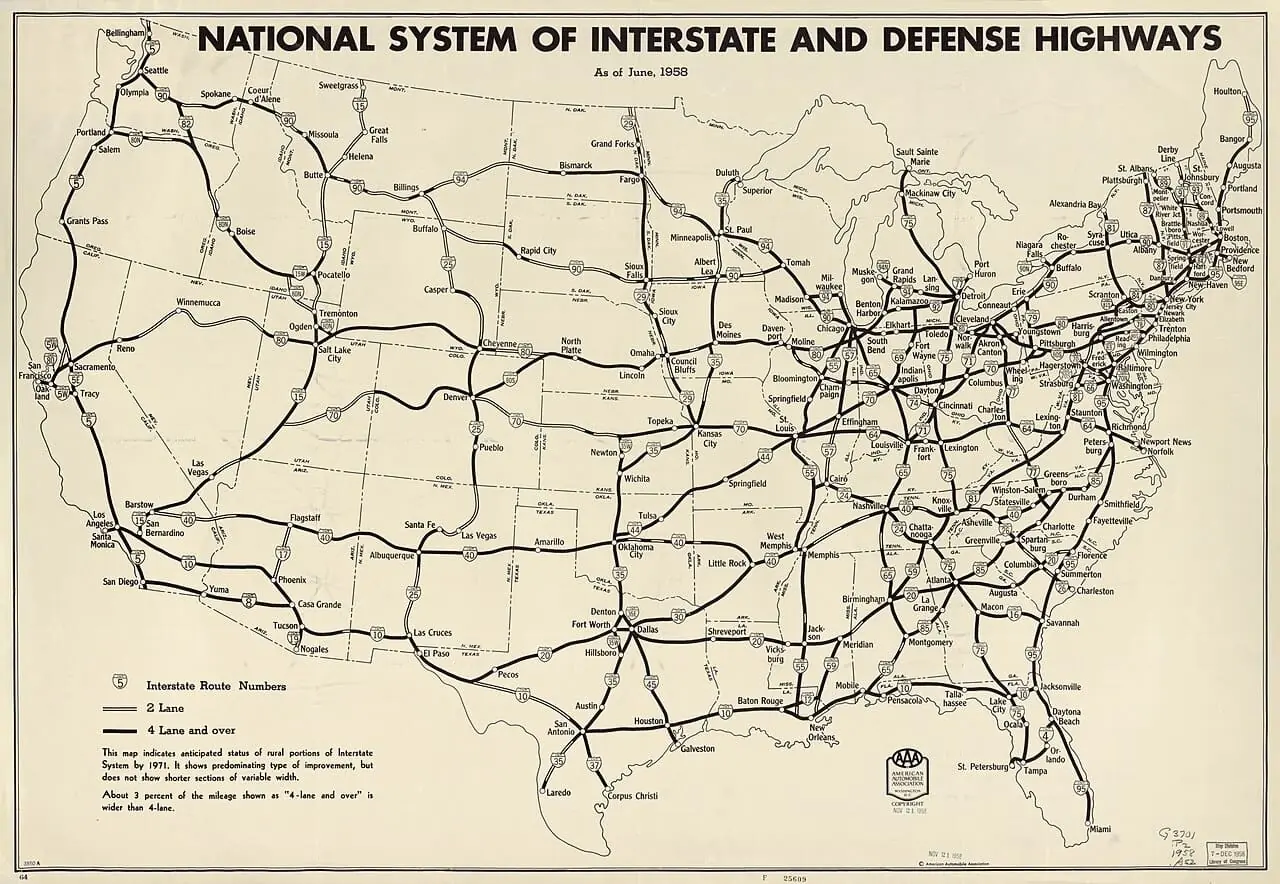
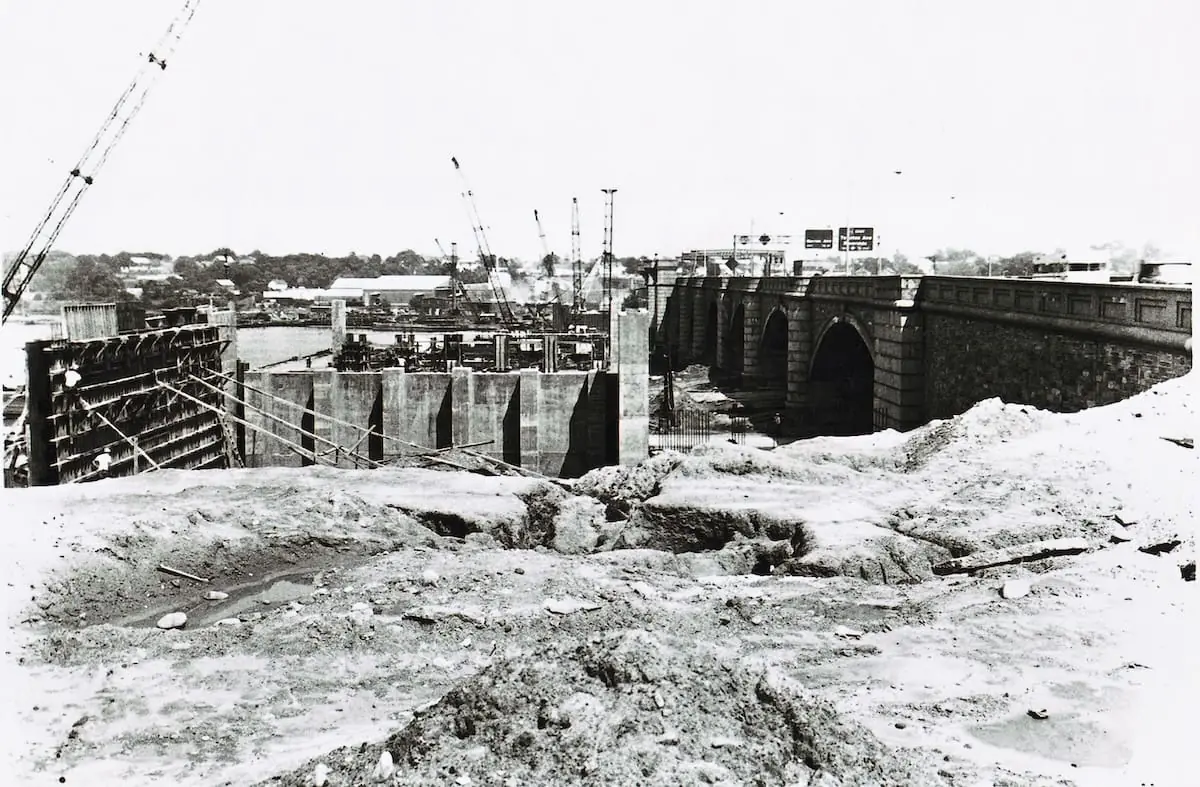
The Interstate Highway System
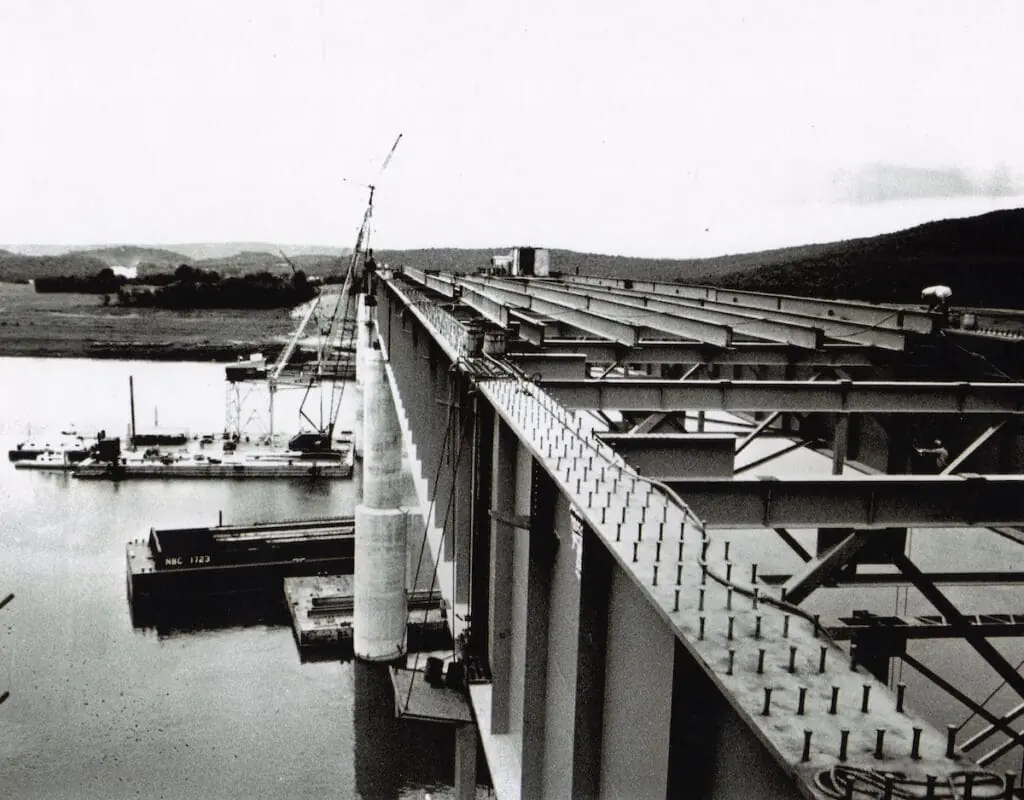
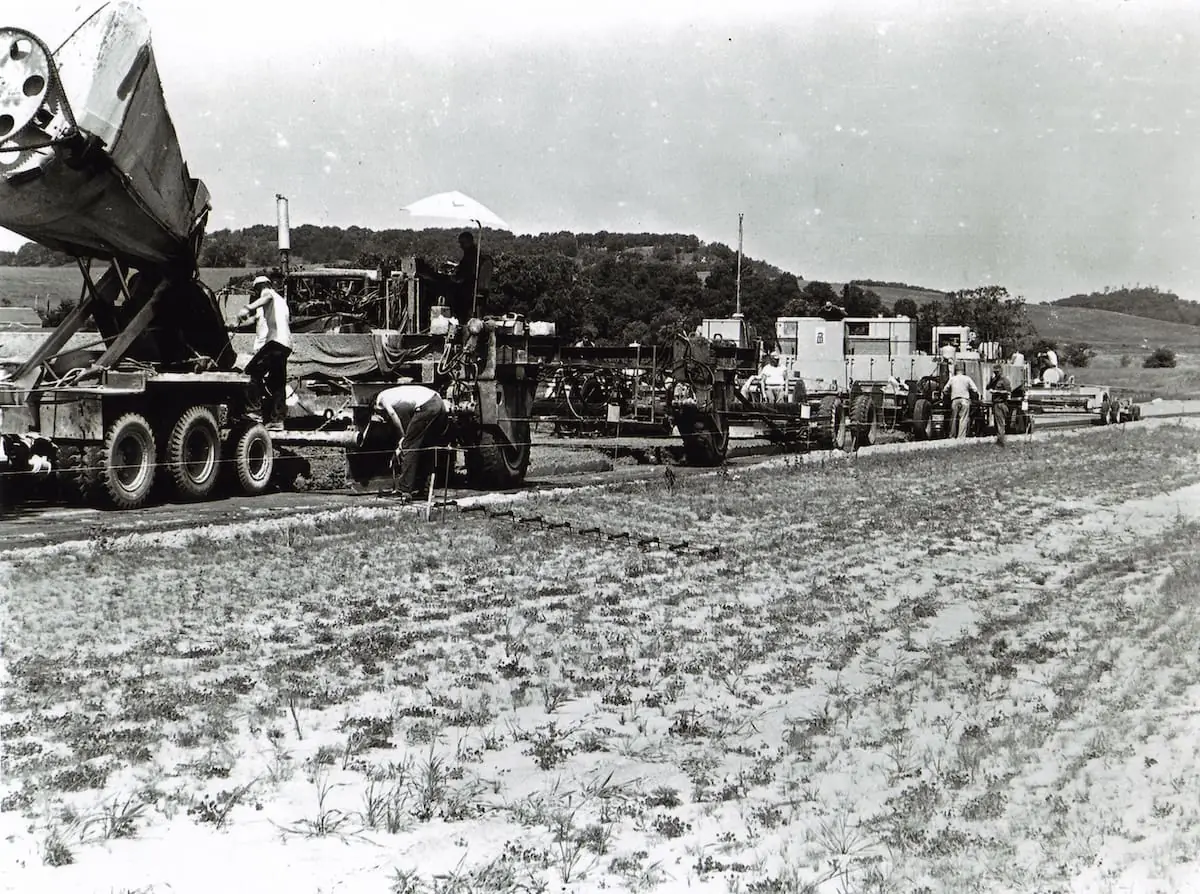
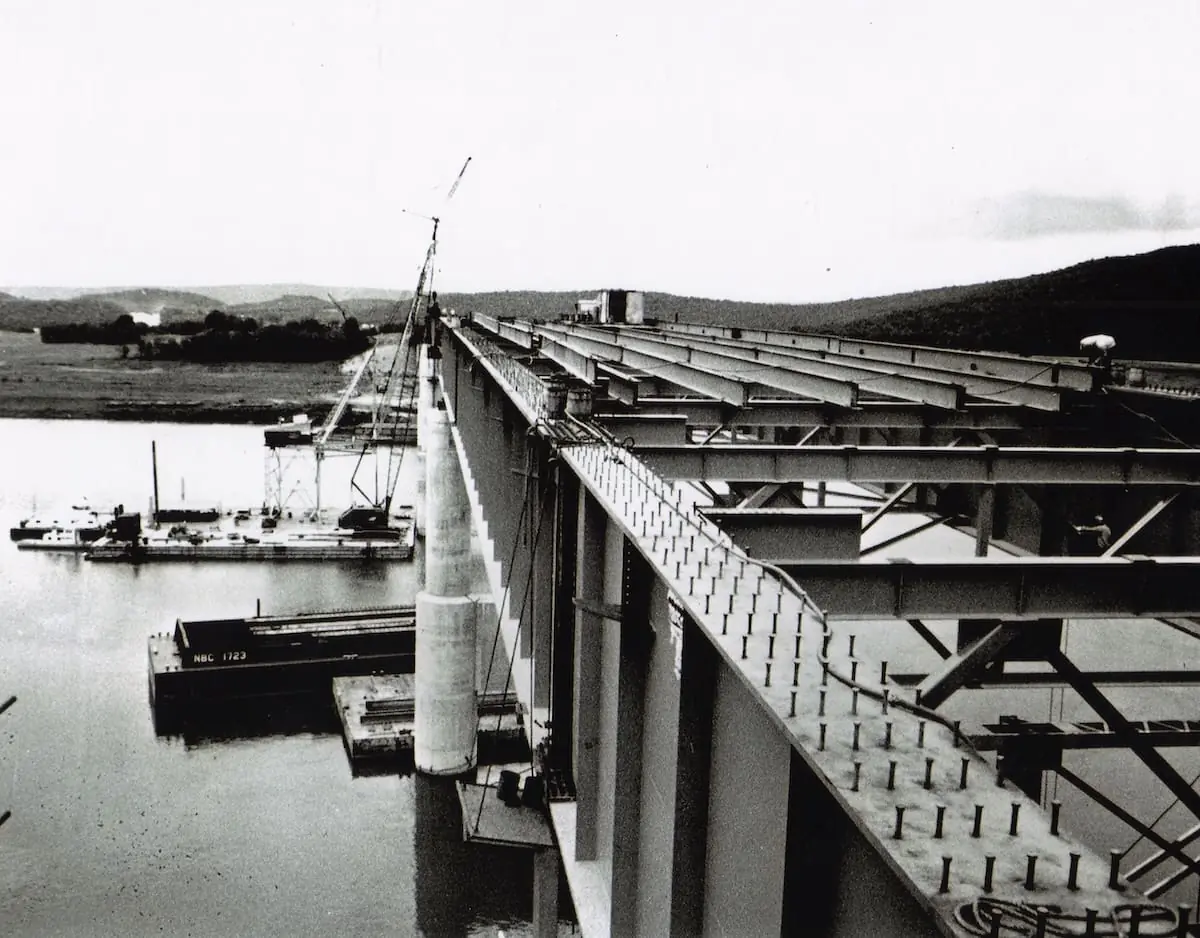
Authorized in 1956, the Interstate Highway System remains the largest public infrastructure project ever completed in the United States. Stretching nearly 49,000 miles across the country, it transformed interstate travel, commerce, and national defense.
Construction required enormous fleets of bulldozers, motor graders, scrapers, compactors, and paving equipment to reshape mountains, valleys, and plains while moving billions of cubic yards of earth.

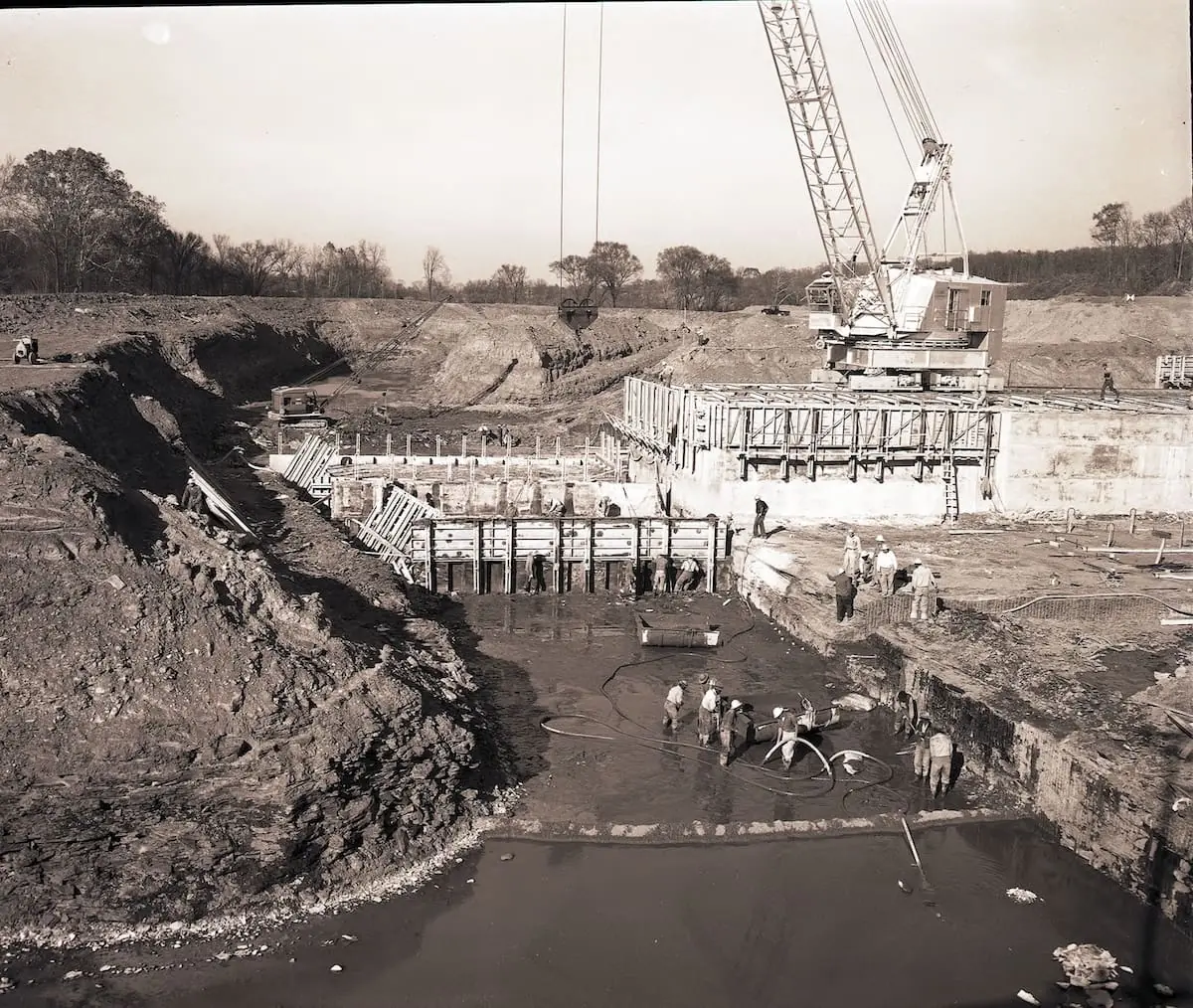
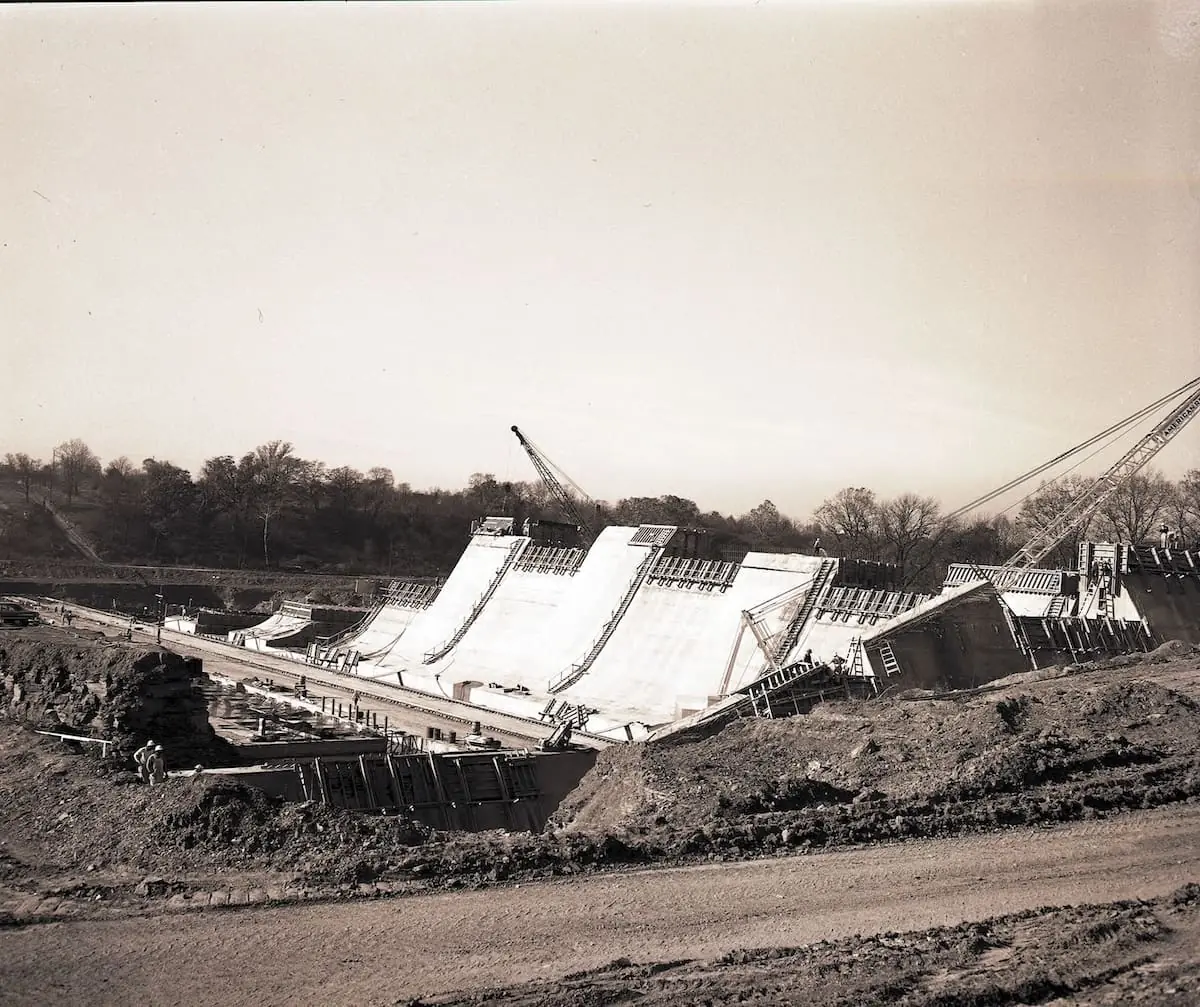

The Hoover Dam
Completed in 1936, the Hoover Dam stands as one of America’s greatest engineering accomplishments. Rising 726 feet above the Colorado River, the project required approximately 4.4 million cubic yards of concrete and innovative construction methods.
Before modern hydraulic excavators existed, crews relied on cableways, drilling equipment, scrapers, and haul trucks to excavate and build the massive structure ahead of schedule.

The Big Dig, Boston
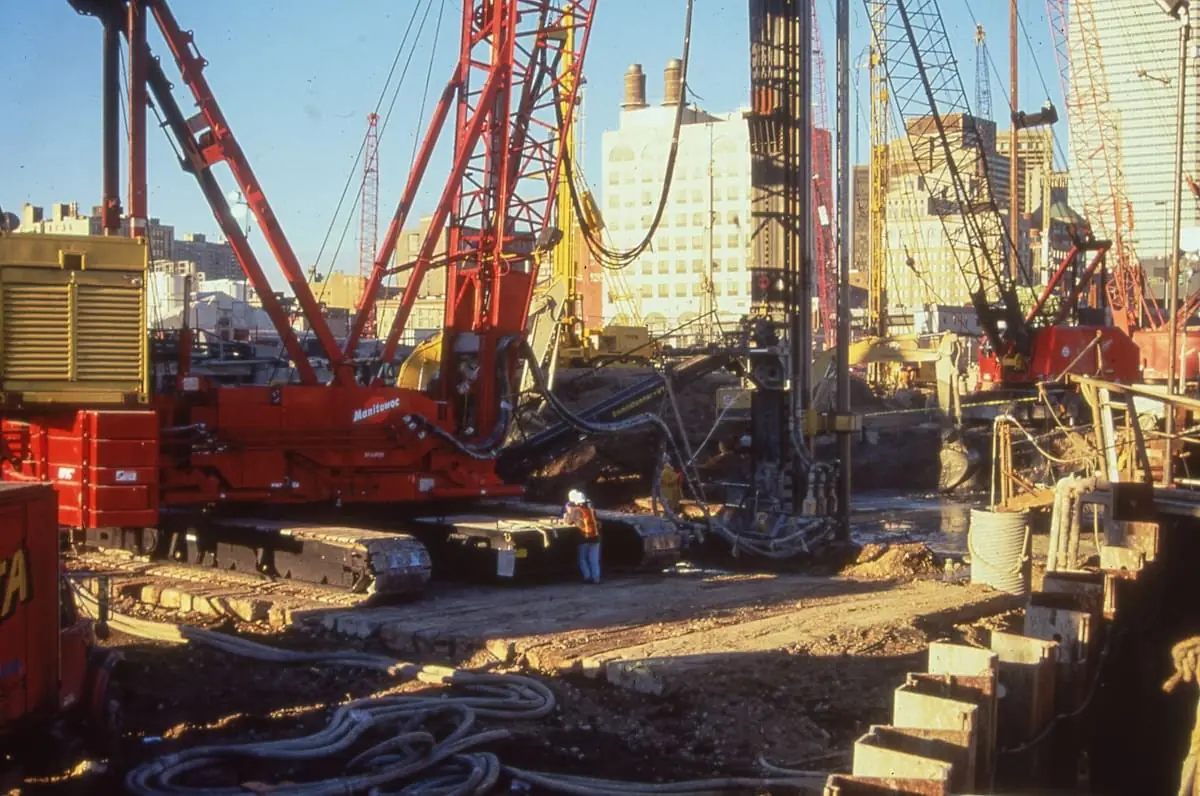
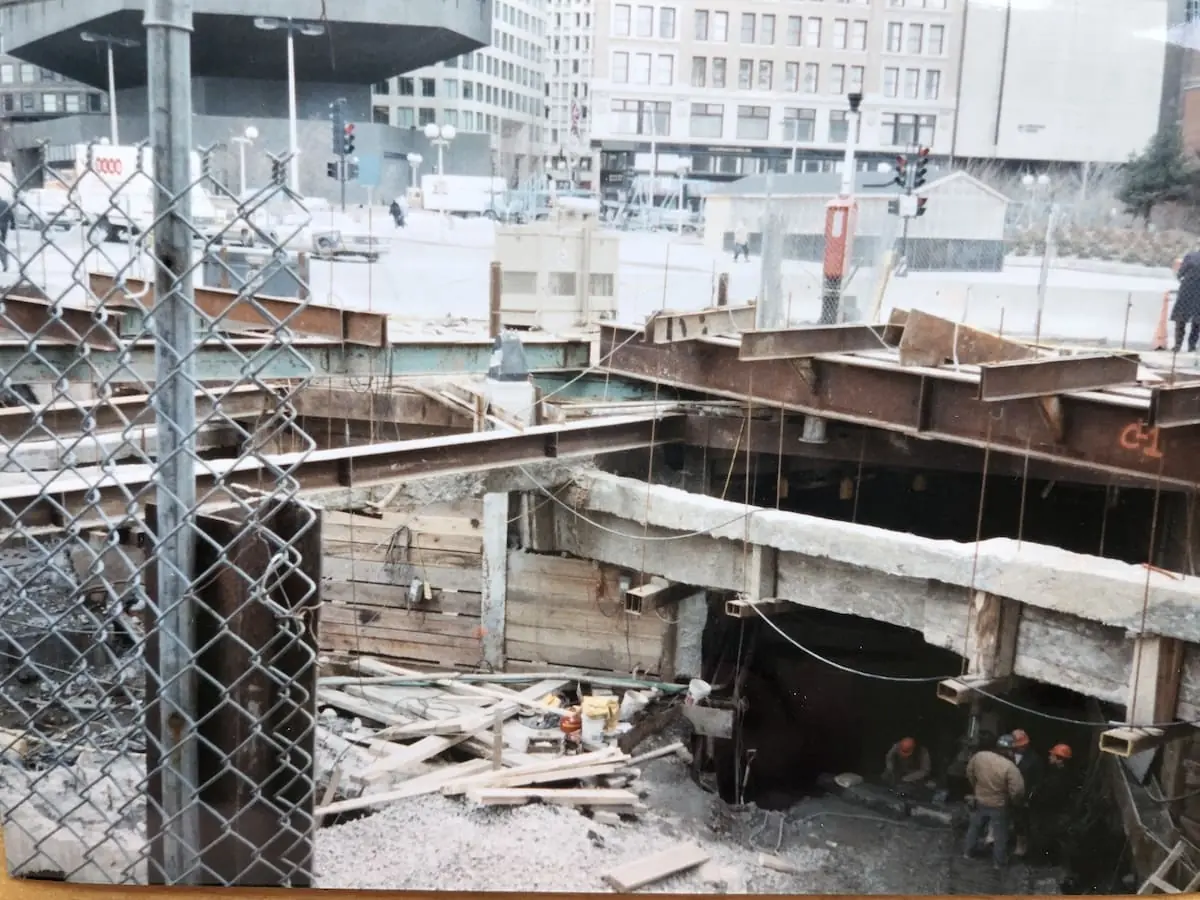
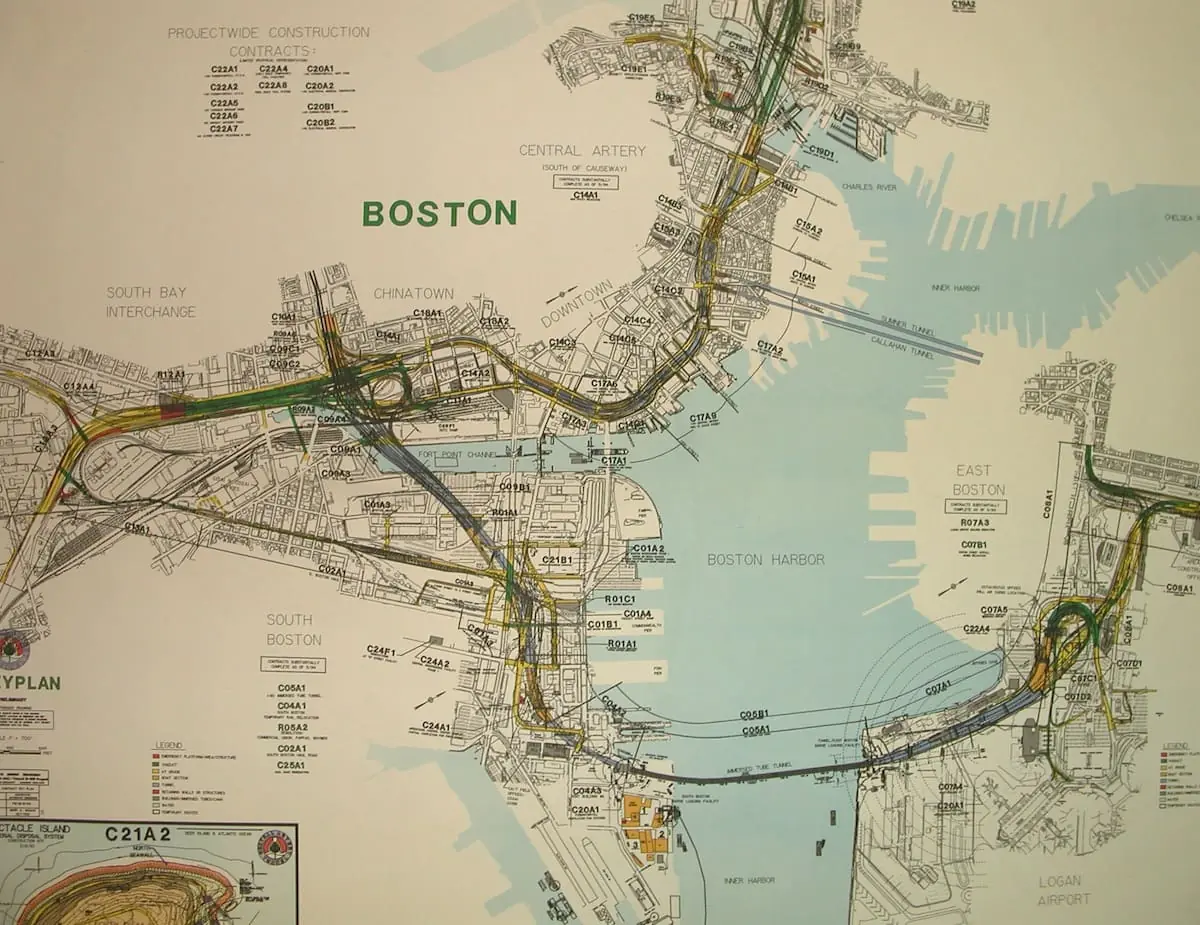
Boston’s Central Artery/Tunnel Project, better known as the Big Dig, relocated Interstate 93 beneath downtown Boston between 1991 and 2007. The complex urban project required tunnel-boring equipment, slurry-wall construction, specialized excavators, and careful coordination in one of the nation’s busiest cities.
To this day, it remains one of the most technically challenging highway projects ever completed.
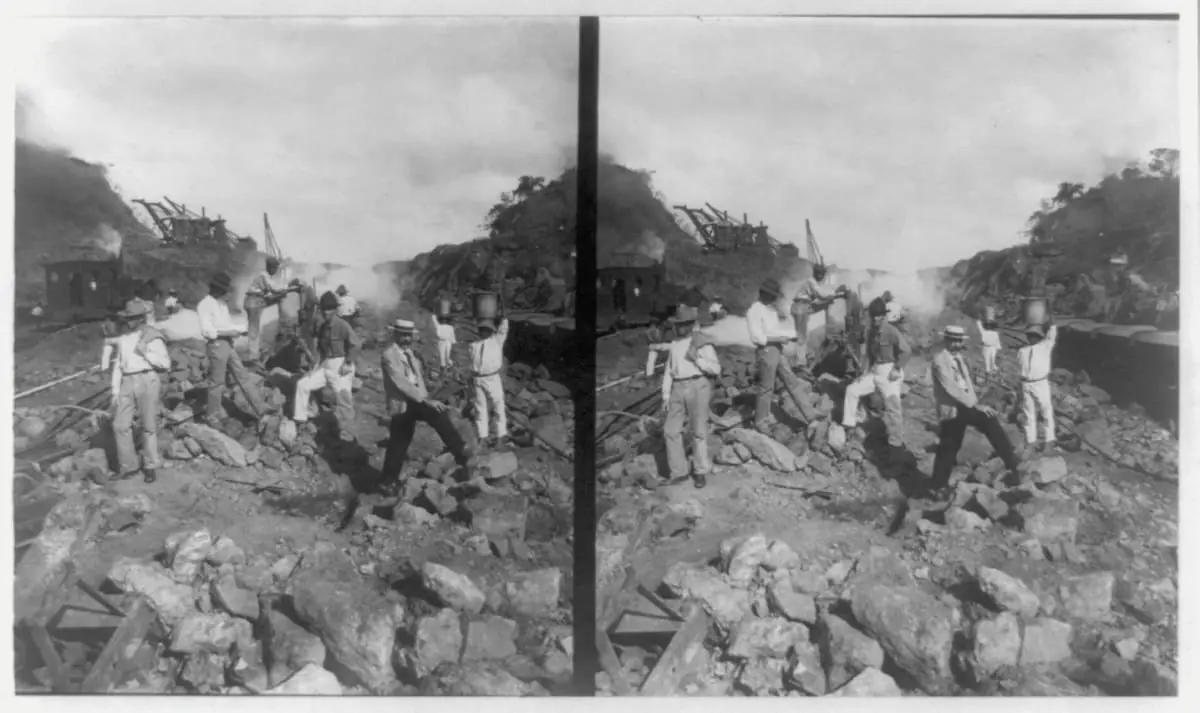


The Panama Canal (U.S. Construction Phase)
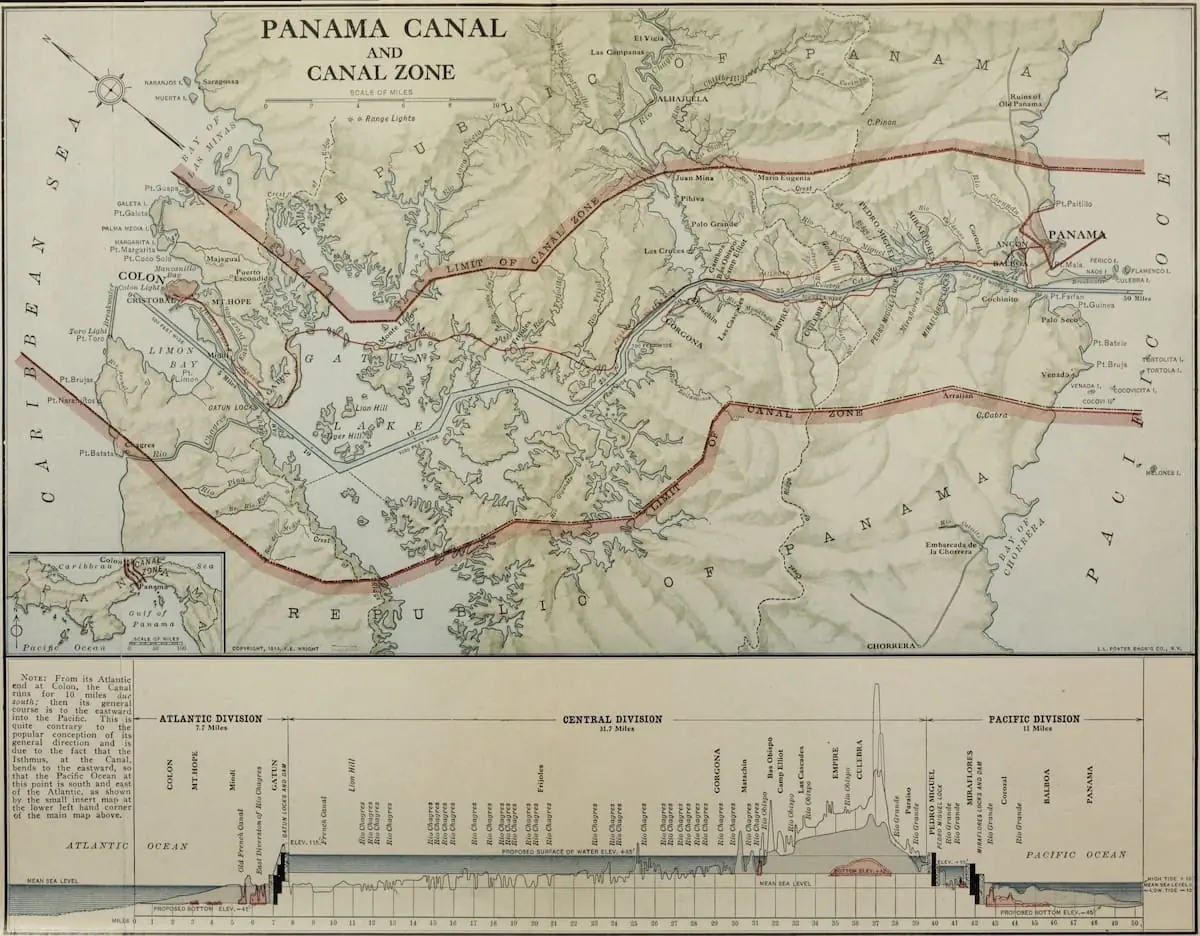
Although the canal is located in Panama, its construction from 1904 to 1914 was one of the largest U.S.-led infrastructure efforts in history. Workers excavated hundreds of millions of cubic yards of earth using massive steam shovels, rail systems, and mechanical excavation equipment.
The project demonstrated how mechanized earthmoving could dramatically accelerate large-scale construction.

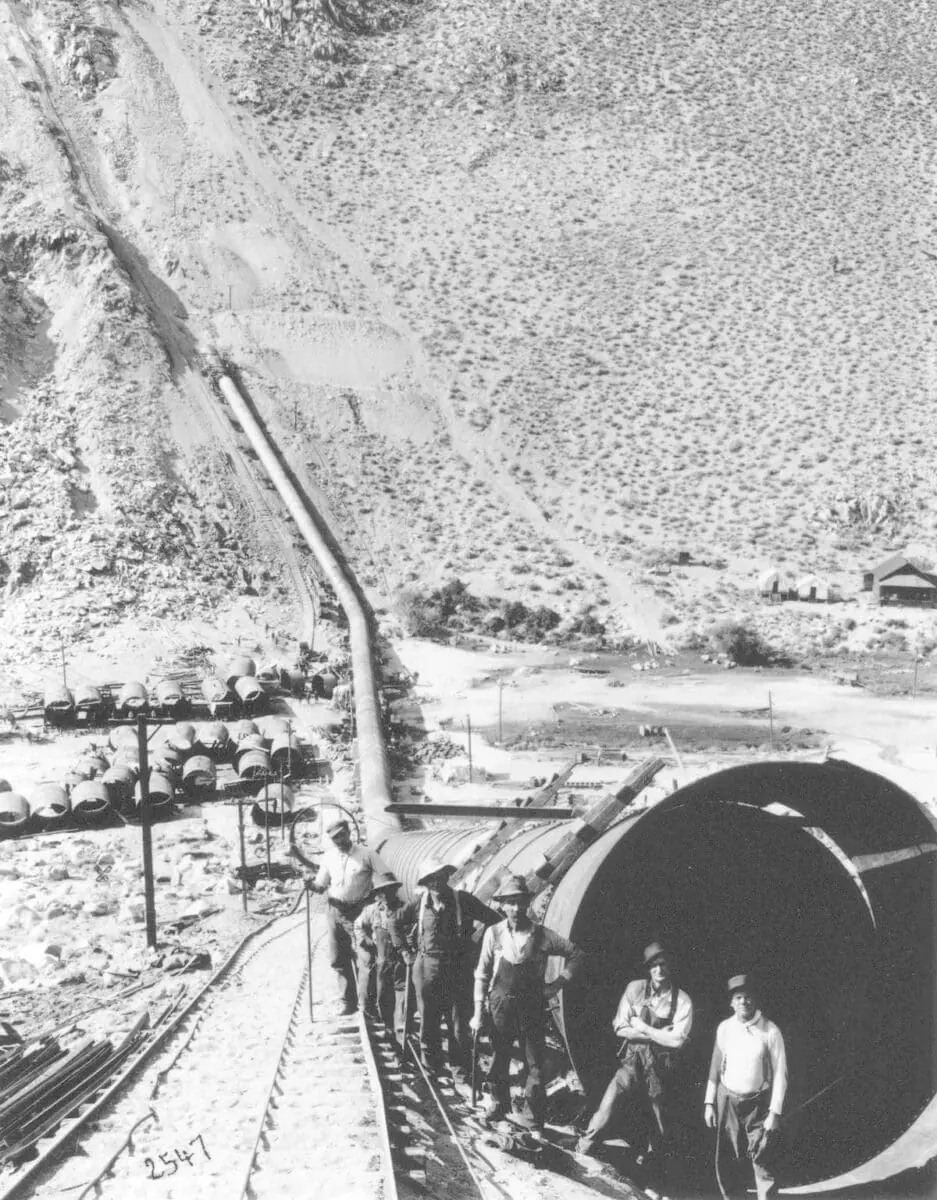


The California Aqueduct
Completed as part of the State Water Project, the California Aqueduct carries water hundreds of miles from Northern to Southern California. Building the system required extensive excavation, concrete paving, pumping stations, and continuous grading through deserts, mountains, and farmland.
Large scrapers, draglines, and earthmoving equipment made the project possible.


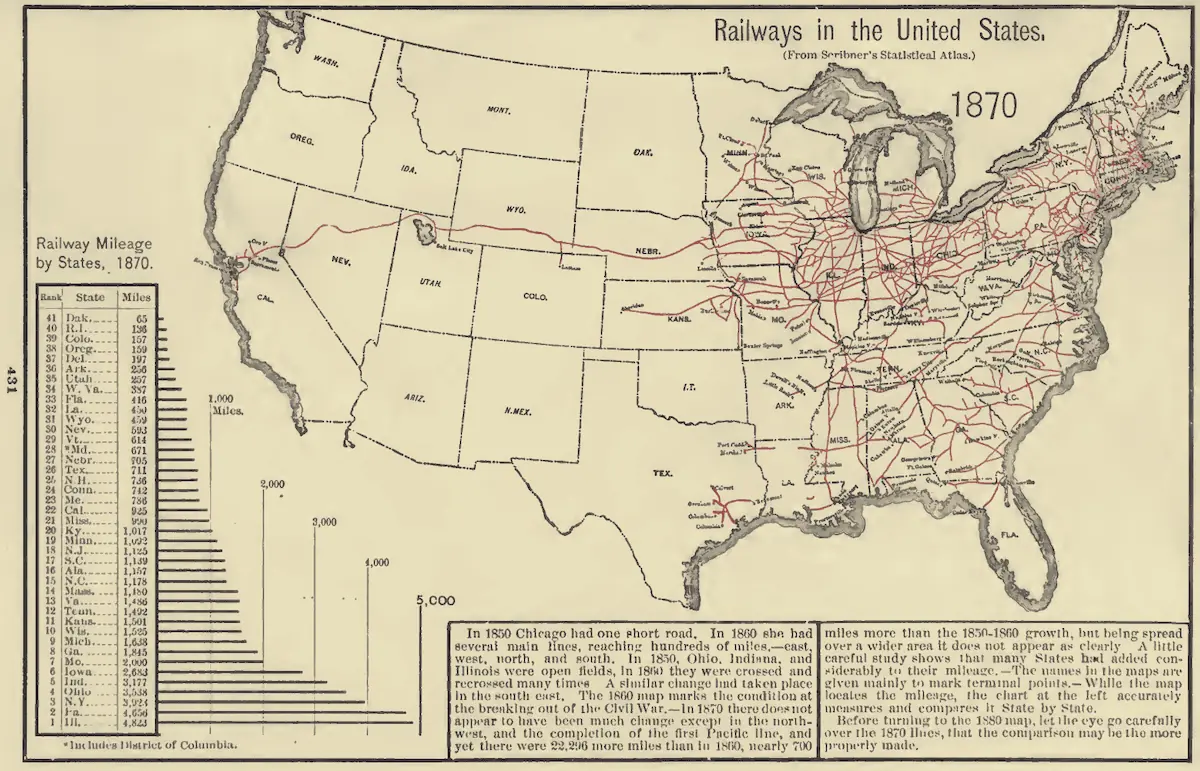
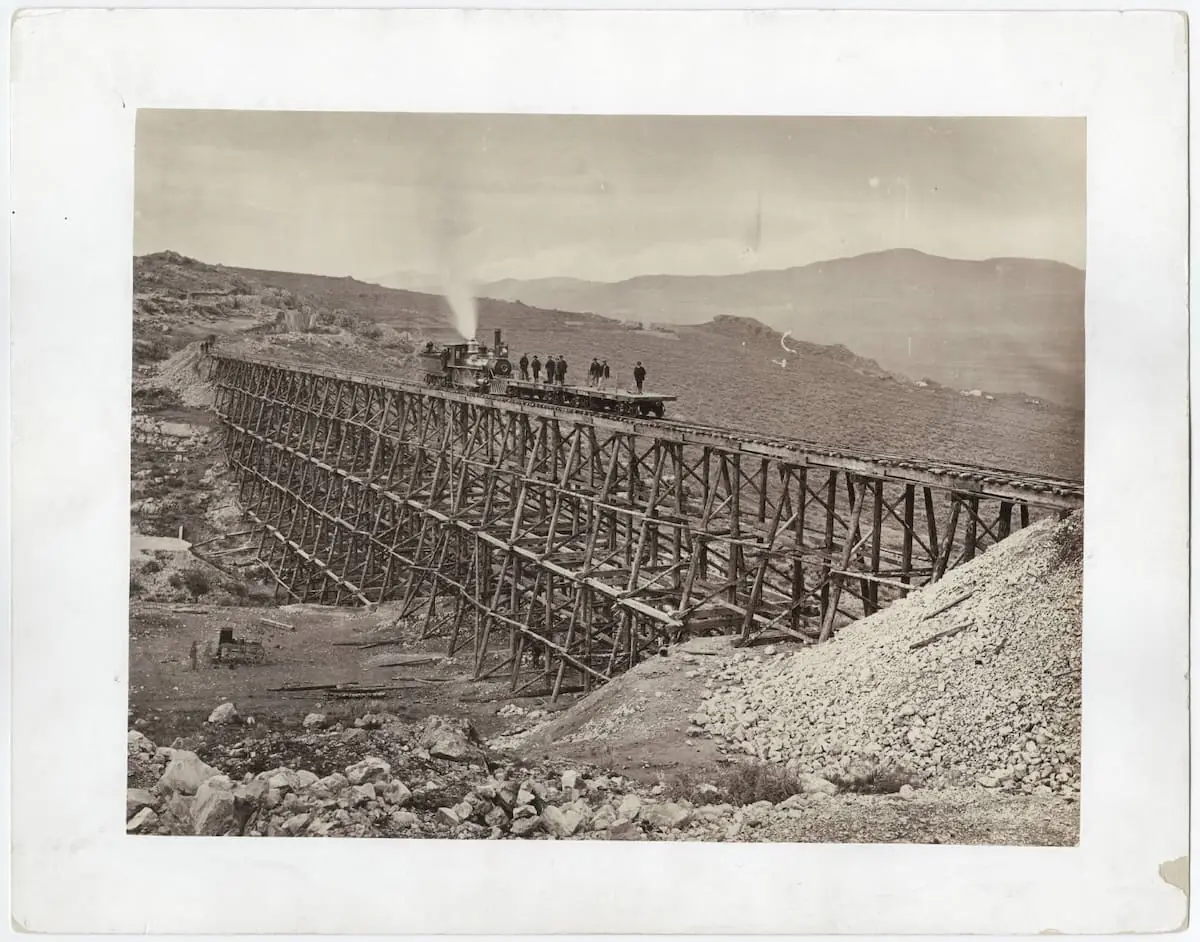
The Transcontinental Railroad
Be Part of the Teams Shaping Today's U.S. Infrastructure
At Heavy Equipment Colleges of America, we provide hands-on training designed to prepare students for entry-level opportunities to operate heavy equipment on large-scale projects. Programs are available at campuses in California, Georgia, and Oklahoma, while our Washington location supports eligible transitioning service members through the SkillBridge program. Many programs can be completed in as little as three weeks, depending on the program and each student's individual progress.
View Current ProgramsWhat It Takes to Build at This Scale — The Equipment Behind the Projects
Every major infrastructure project depends on specialized heavy equipment and highly trained operators working together to complete complex tasks efficiently and safely. From excavation and grading to lifting and material handling, each type of machine plays a specific role in bringing large-scale projects to life.
Below are some of the most essential types of heavy equipment used on infrastructure projects:
- Excavators: Handle trenching, foundations, utility installation, demolition, and material movement. There are multiple types of excavators for different projects, and operators need a certain level of training and experience to operate them safely.
- Bulldozers and Motor Graders: Perform large-scale earthmoving, rough grading, and finish grading to prepare highways, dams, airports, and utility corridors for construction.
- Cranes: Different types of cranes lift structural steel, bridge components, concrete forms, and heavy materials.
How These Projects Shape Careers in Heavy Equipment Operation
The biggest infrastructure projects that shaped America were built by skilled equipment operators, and today’s projects continue to rely on trained professionals across transportation, utilities, mining, energy, agriculture, and disaster recovery.
Many employers value documented training and industry-recognized credentials, such as NCCER certifications, when hiring equipment operators for public works and infrastructure projects. Whether you’re interested in excavation, grading, cranes, or earthmoving equipment, developing practical operating skills can help prepare you for a career supporting America’s next generation of infrastructure.
Apply to Heavy Equipment Colleges of America
Gain the skillsets to confidently enter the construction industry and start shaping the earthmoving projects of today.
Apply Online