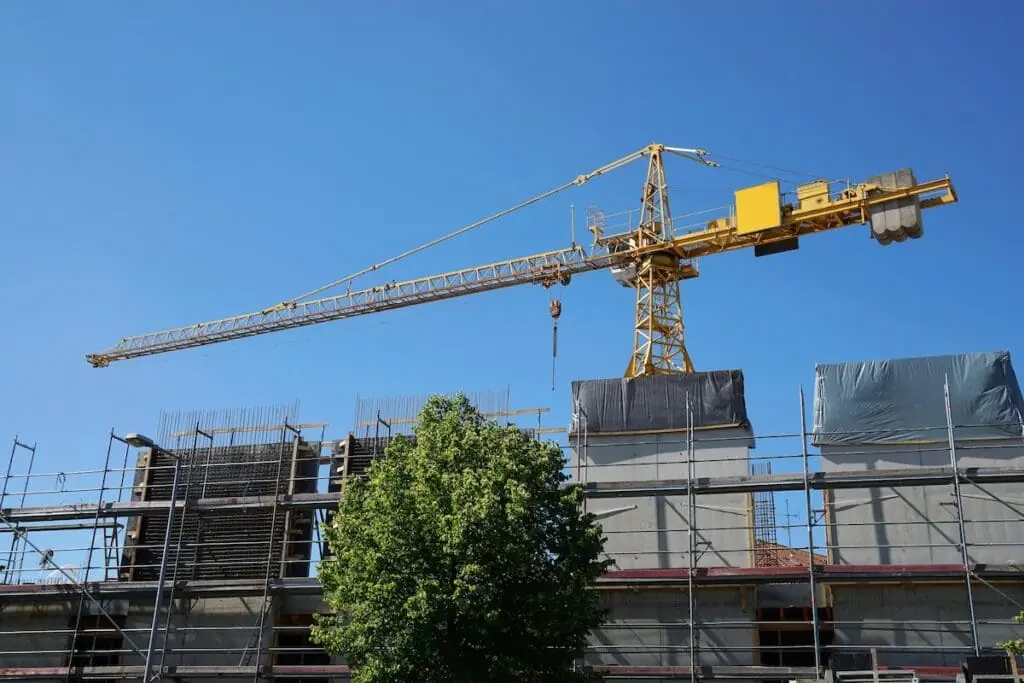
AI in construction is changing how job sites operate, especially in crane safety, precision, and efficiency. From predictive maintenance systems to computer-assisted lifting controls, artificial intelligence is helping crane operators work smarter while improving safety on modern construction projects.
While some workers wonder whether automation could replace operators, the reality is more practical. AI works best as a support tool that enhances human decision-making rather than replacing experienced crane operators.
At Heavy Equipment Colleges of America (HEC), we understand how rapidly equipment technology is evolving. As the industry changes, hands-on training and strong operational fundamentals remain essential to preparing future crane operators for modern job sites.
Table of Contents
Current State of AI in Construction Operations
The use of AI in construction has expanded significantly in recent years. Contractors are using AI-powered systems to improve scheduling, monitor equipment performance, enhance jobsite safety, and support crane operations.
Modern cranes now include smart technologies that help operators:
- Monitor lifting conditions in real time
- Improve load positioning accuracy
- Detect nearby obstacles
- Reduce equipment downtime
- Track maintenance needs before failures occur
Many of these technologies are now integrated into several types of construction cranes, including mobile cranes and tower cranes used on large commercial projects.
Machine Learning in Load Calculation and Path Planning
One of the most practical uses of AI in construction industry operations involves load calculation and lift planning. AI-assisted systems can analyze crane capacity, boom angle, load weight, and environmental conditions to help operators make informed decisions before and during lifts.
These systems can also recommend safer lift paths while helping crews avoid potential swing hazards or clearance issues. This technology supports operators during complex lifts but still relies on skilled human oversight.
Computer Vision for Site Monitoring and Obstacle Detection
Computer vision systems use cameras and sensors to improve operator awareness on active job sites. These systems can identify nearby workers, equipment, structures, and obstacles that may otherwise be difficult to see from the cab.
While these technologies improve situational awareness, operators still make the final decisions during lifts.
How AI is Transforming Crane Safety and Precision
Safety remains one of the biggest reasons contractors are investing in AI-enhanced crane systems. Construction companies are using AI tools to reduce human error, improve monitoring, and create safer job sites.
AI-assisted systems can help operators with:
Predictive Maintenance and Equipment Monitoring
Predictive maintenance systems use sensors and AI monitoring tools to identify equipment problems before they lead to breakdowns or failures. This technology helps reduce downtime while improving equipment reliability.
However, routine inspections still play an important role in crane safety. Operators should continue following proper crane inspection procedures before every shift.
Real-Time Weather and Environmental Analysis
Weather conditions have always been a major factor in crane safety. AI-powered monitoring systems can now analyze wind speeds, ground stability, storm activity, and more.
Some systems can even recommend safer operating limits based on real-time environmental conditions. On certain cranes, smart monitoring systems can also support safer weathervaning procedures during severe wind conditions.
Even with advanced monitoring tools, operators still need the experience and judgment to determine whether conditions are safe enough to continue working.
Develop a Modern Crane Operator Skillset at Heavy Equipment Colleges of America
Earning proper crane operator certification remains one of the most important steps for entering the field. As technology changes, continuing education and hands-on experience will become increasingly valuable.
View Current ProgramsAutomation and Robotics in Modern Crane Operations
Automation in construction continues to expand as contractors look for ways to improve productivity and reduce operational risk. However, most crane technology today falls into the category of semi-autonomous or operator-assisted systems rather than fully automated equipment.
Current construction robots and automated systems are primarily designed to support human operators rather than eliminate them. They’re most effective when paired with experienced operators who understand crane fundamentals and jobsite safety requirements.
Semi-Autonomous Lifting Systems
Semi-autonomous lifting systems help operators improve positioning accuracy and load control during lifts. These systems can assist with:
- Swing stabilization
- Load alignment
- Precision positioning
- Controlled movement speeds
Remote Operation and Telepresence Technology
Remote crane operation systems allow operators to control equipment from safer or more accessible locations. AI-assisted cameras, sensors, and monitoring systems help operators maintain visibility and control even when working remotely.
Still, remote operation requires highly trained professionals who understand crane behavior, load dynamics, and site communication procedures.
The Human Element - Skilled Operators vs. AI Technology
Many workers ask questions like “Will AI replace construction workers?” or “Will construction workers be replaced by robots?” While automation continues advancing, the construction industry still depends heavily on skilled labor and experienced operators.
Construction sites are unpredictable environments. Weather changes, unstable terrain, visibility limitations, and constantly moving crews create situations that still require human judgment. While AI systems can help with calculations and equipment diagnostics, sites still need operators to manage communications, decision-making, and safety oversight.
The construction industry is changing, and operators need to learn how to adapt and use these AI tools to their advantage.
Enhanced Skill Requirements for Modern Crane Operators
As AI in the construction industry becomes more common, crane operators may need additional technical skills alongside traditional operating experience.
Modern operators should have a grasp on:
- Basic computer literacy
- Understanding digital interfaces
- Interpreting system alerts
- Reading sensor data
At the same time, foundational crane operation skills remain critical. Safe lifting practices, communication, equipment inspections, and load management can’t be replaced by software alone.
Automating Safer Jobsites and Protecting Workers
One of the biggest advantages of AI in construction management is its ability to support safer worksites. AI-assisted monitoring systems can help reduce accidents by identifying hazards before they become serious incidents.
However, robotics and AI are less likely to replace jobs that require:
- Real-time judgment calls
- Complex problem-solving
- Communication with crews
- Adaptability in changing environments
Human operators continue providing the flexibility and decision-making abilities that construction sites demand every day.
Future Trends and Career Implications for Crane Operators
AI technology will likely continue expanding throughout the construction industry over the next decade. However, adoption will likely remain gradual in crane operations because heavy equipment job sites involve constantly changing conditions that still require human oversight.
For current and future crane operators, the most important strategy is staying adaptable. Operators who combine strong technical fundamentals with a willingness to learn new technologies may be better positioned for long-term opportunities.
Be Part of the Future With Heavy Equipment Colleges of America
At Heavy Equipment Colleges of America (HEC), we focus on helping students build the practical skills employers need right now while preparing them for the future of crane operations. Our programs emphasize hands-on training, safety fundamentals, and real-world equipment experience that supports long-term career growth.
Learn more about HEC’s crane training programs and discover how your future in construction can start today.
Apply Today