The demand for skilled HVAC technicians continues to grow as homes, businesses, and industrial facilities rely on heating and cooling systems year-round. According to the U.S. Bureau of Labor Statistics, employment for HVAC technicians is projected to grow by 8% through 2034, faster than the average for all occupations through the same timeframe.
At Heavy Equipment Colleges of America (HEC), we help students develop the practical skills employers expect through hands-on HVAC-R training at our Oklahoma campus. Understanding the right tools and how to use them correctly is an important first step toward success in the field, and we’re here to walk you through it.
Diagnostic and Measurement Tools Every HVAC Tech Uses Daily
The right HVAC service tools help technicians identify problems quickly and accurately. Understanding HVAC system components and their functions also makes it easier to know which tool to use during a repair.
Digital Multimeter
Manifold Gauge Set
Vacuum Pump and Micron Gauge
A vacuum pump removes moisture and air from refrigerant lines before the system is charged. Skipping this step can shorten equipment life and reduce system performance.
Technicians who work with refrigerants must also earn EPA Section 608 certification before legally handling refrigerants used in stationary HVAC systems.
Mechanical and Installation Tools for HVAC Service Work
Beyond diagnostics, HVAC technicians rely on specialized tools to install, repair, and maintain equipment. This HVAC service tools list includes:
Tube Cutters, Flaring Tools, and Swage Tools
Leak Detection Equipment
Duct Tools
Core Technical Skills Every HVAC Technician Needs
Owning HVAC service tools is only part of the job. Employers also look for technicians who can apply those tools to diagnose and solve problems efficiently. To succeed in the field, technicians need a combination of technical knowledge and practical skills, including:
- Electrical diagnostics: Modern HVAC systems include electrical controls, motors, capacitors, relays, and circuit boards. Technicians must understand wiring diagrams, safely test electrical components, and identify faults without relying on trial and error. Strong troubleshooting skills help reduce repeat service calls and improve customer satisfaction.
- Refrigerant handling: Technicians working with refrigerants must understand proper recovery and charging procedures, as well as pressure-temperature relationships, while complying with EPA regulations. As refrigerants continue to evolve, technicians also benefit from understanding newer technologies and safe handling practices.
- Preventive maintenance: Many service calls focus on maintenance rather than emergency repairs. HVAC technicians inspect filters, clean coils, check electrical connections, verify refrigerant charge, and ensure systems operate efficiently before problems develop.
Students who complete programs like HEC’s HVAC-R training program build these technical and professional skills through hands-on instruction before entering the workforce.
Build Your HVAC Technical Skills at Heavy Equipment Colleges of America
Our Heating and Air Technology Program, offered at our Oklahoma City campus, gives you the hands-on technical training needed to launch a successful career in heating, ventilation, and air conditioning. With year-round enrollment and multiple start dates, there's no deadline standing between you and your future.
Heating & Air Technology Program DetailsEssential Hand Tools and Safety Equipment No Tech Should Be Without
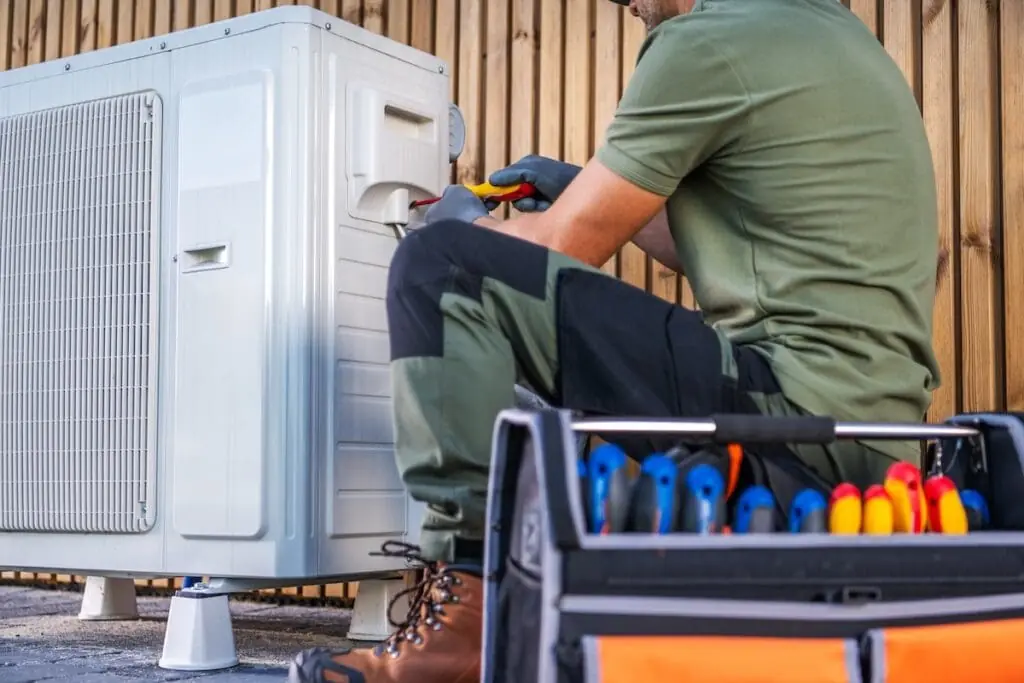
Must-Have Hand Tools for HVAC Service Calls
- Insulated screwdrivers
- Nut drivers
- Adjustable wrenches
- Channel-lock pliers
- Needle-nose pliers
- Tape measure
- Cordless drill
- Flashlight or headlamp
- Torpedo level
Personal Protective Equipment (PPE) for HVAC Technicians
- Safety glasses
- Work gloves
- Slip-resistant work boots
- Knee pads
- Hearing protection (earplugs or earmuffs)
- Respiratory protection
- Hard hat
What to Expect as a New HVAC Technician — Starting Your Tool Kit
One of the biggest questions new technicians ask is how much they need to spend on tools before starting work.
Most employers provide expensive specialty equipment such as refrigerant recovery machines, vacuum pumps, and advanced testing instruments. New technicians are generally expected to own their own hand tools, a digital multimeter, a flashlight, and personal protective equipment.
How Formal HVAC-R Training Prepares You to Use These Tools Correctly
Knowing what each tool does is valuable, but understanding when and why to use it is what separates a successful technician from someone simply replacing parts.
HEC’s HVAC-R program at our Oklahoma City campus provides practical instruction in electrical diagnostics, refrigerant handling, preventive maintenance, and equipment operation. Depending on each student’s individual pace and program timeline, training can be completed in as little as 5-7 weeks.
Build Your HVAC Career with HEC
If you're ready to begin training for an HVAC career, apply to our Oklahoma campus and learn how Heavy Equipment Colleges of America can help you prepare for a career in the skilled trades.
Our admissions representatives will walk you through the application process and what our HVAC-R program includes.
Apply Online