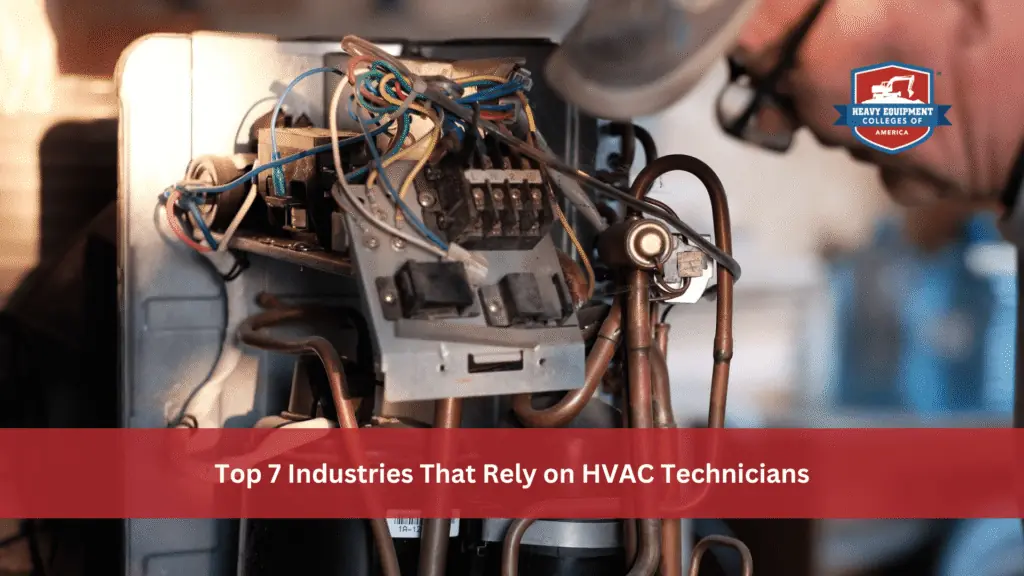
One career path that is often overlooked is the HVAC technician. These licensed and certified experts work with a variety of customers, offering comprehensive HVAC services that keep things cool and comfortable.
Interested in working as an HVAC technician? At Heavy Equipment Colleges of America, we offer an extensive HVAC certification program that sets you up for a successful career in the industry.
Not sure if the HVAC industry is the right career path for you? We’ll go over the basics of how these technicians play a crucial role in various industries, as well as the benefits of getting certified to work these jobs.
Table of Contents
What is HVAC Certification?
In order to work as an HVAC technician, you’ll first need to go through an accredited certification program. These programs will teach you the ins and outs of repairing heating and cooling systems for multiple settings and industries.
Getting your certification prepares you to join the workforce and opens up a wide range of job opportunities. Most companies will only hire HVAC technicians with a certification from an accredited institution.
At Heavy Equipment Colleges of America, our heating and cooling technology certification program at our Oklahoma campus teaches students how to repair, install, and maintain various HVAC systems. From furnaces to air conditioners, you’ll learn the basics of HVAC upkeep and operation.
Start Your HVAC Career With Confidence
Kickstart Your HVAC Career Today!
Hands-On Training | OSHA Safety Courses | Industry-Ready Skills
Become a Certified HVAC Technician Today!
Start Enrollment ProcessFind The Right Location For YouTop 7 Industries That Rely on Certified HVAC Technicians
Whether you’re looking for your first job or switching careers, job availability is one of the many concerns. You want to make sure you can quickly find a well-paying job that covers your needs.
Luckily, there is always a need for HVAC technicians. Nearly every home and business has some type of heating and cooling system, whether it be air conditioning or boilers, and they all need certified technicians to maintain the equipment.
The top 7 industries that rely on these technicians include:
1. Commercial Infrastructure and Office Buildings
Think about how massive corporate office buildings are and how many people are packed in there during the workday. These spaces require proper ventilation and air quality, as well as reliable heating and cooling to keep employees comfortable.
Certified HVAC technicians often work with massive HVAC systems meant to heat and cool office buildings spanning thousands of square feet. These jobs require a higher level of professionalism not often seen in residential jobs, which some technicians argue makes the job more interesting.
2. Residential Construction and Housing
When we mention residential properties, many people think about the standard house calls for a broken air conditioner or filter replacement. While these are common jobs for HVAC technicians, they’re not the only residential projects.
Homes, condos, and apartment complexes need reliable HVAC systems during the construction process. Technicians will often work alongside the construction team to determine the best layout for the heating and cooling system and when to install it. This can also include installing ductwork, finding a safe place for the furnace, or checking vent placements for proper airflow.
3. Healthcare and Pharmaceutical Facilities

Hospitals and outpatient facilities have much stricter regulations surrounding temperature and air quality. With some patients in critical condition, these facilities need proper filtration to eliminate contaminants, temperature control for sensitive patients, and high-quality ventilation to help prevent the spread of illness.
In addition to patient comfort and care, extensive HVAC systems help pharmacies properly do their job. Certain medications and prescriptions require storage at a certain temperature to maintain effectiveness and quality, meaning these facilities also need strict temperature control.
As a certified HVAC technician, your job is to maintain and repair the equipment that ensures these medical facilities maintain these strict air quality and temperature parameters.
4. IT Data Centers
Unlike many other industries, data centers don’t need to focus on occupant comfort. Their main concern isn’t maintaining a comfortable temperature for the people there, but rather maintaining the optimal temperature for server functionality.
Large data centers use a ton of servers and equipment, all of which produce large amounts of heat. To prevent the equipment from overheating, these data centers partner with specialized HVAC technicians to install and maintain high-powered cooling systems. This can look like standard AC systems or specialized equipment such as chilled water loops or liquid immersion cooling.
5. Manufacturing and Industrial Facilities
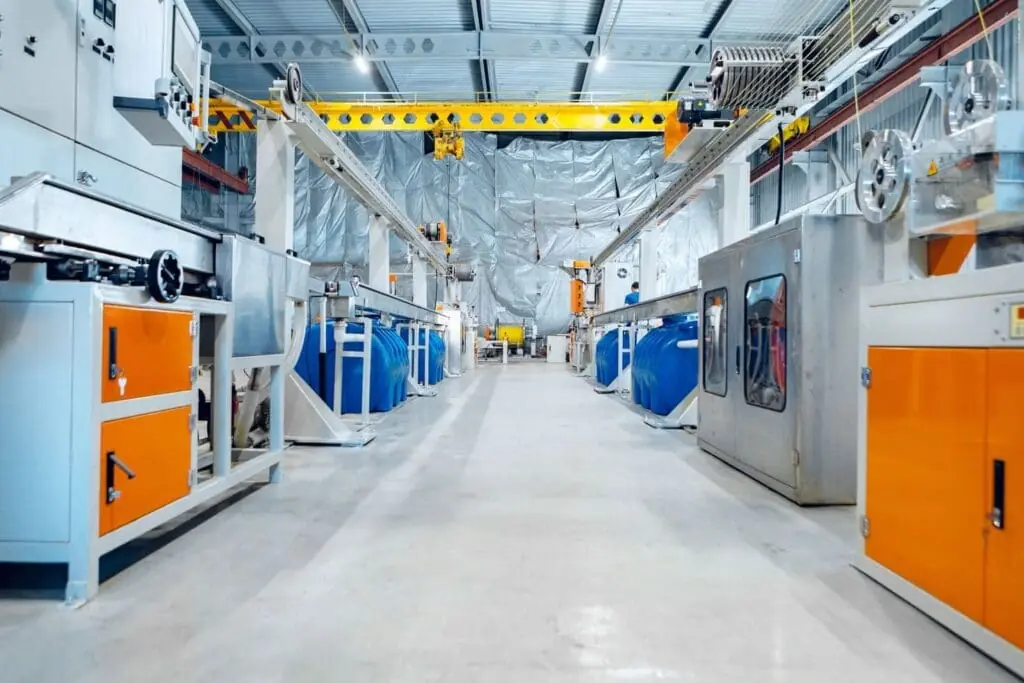
Industrial facilities house large-scale machinery and equipment that require extensive heating, ventilation, and air conditioning systems. Depending on the type of equipment, it may be sensitive to dust, fumes, and heat, making high-quality HVAC solutions a must. Proper ventilation can also help prevent equipment fires or explosions.
As a certified technician, you’ll work with these facilities to assess the manufacturer’s needs and create an HVAC solution that maintains optimal temperatures inside the building. You’ll factor in equipment needs, employee comfort, and air quality parameters.
6. Floral Industry
When you think about HVAC requirements, flowers may not be the first thing that comes to mind. However, some flowers require specific temperatures and humidity to keep them looking vibrant and colorful. If it gets too hot or dry in the shop, it can lead to wilted flowers that don’t make great bouquets.
An HVAC technician helps these flower shops maintain proper temperatures and humidity levels for the flowers in their inventory. Different flowers have different requirements, and you’ll work with florists to design HVAC solutions that help the flowers thrive.
7. Education

Indoor temperature control in the classroom is crucial for both students and teachers. If it gets too hot or too cold in the classroom, it can lead to disruptions that negatively affect a student’s education. Not only are students and teachers uncomfortable, but this discomfort can be distracting and interfere with the learning process.
Custom HVAC solutions from a licensed and certified technician can make all the difference in the classroom. By offering high-quality heating and cooling services to school campuses, you can help improve student learning and classroom management.
Start your Career with HEC Training Programs
Most buildings have some sort of heating or cooling system, meaning there’s always a need for qualified HVAC technicians. With the right skillset, you could find yourself with customers ranging from florist shops to pharmaceutical companies.
The right certification program can teach you everything you need to know about the industry while showing potential employers your skills as a technician. At Heavy Equipment Colleges of America, we offer a variety of certification programs that give you the tools you need to be successful.
Visit our website or give us a call to learn more or get started on the application process.
Start Your HVAC Career With Confidence
Kickstart Your HVAC Career Today!
Hands-On Training | OSHA Safety Courses | Industry-Ready Skills
Become a Certified HVAC Technician Today!
Apply OnlineFind a Campus