Blog


OSHA: COVID-19 Guidance for the Workplace
COVID-19 spares no one, no country and no workplace. If your place of business is open during the pandemic, OSHA COVID-19 workspace guidance could help you in preparing your workplace. Learn about COVID-19, how to limit your risk of exposure to the virus and how to protect workers. What is COVID-19? Coronavirus Disease 2019 is a respiratory virus that began

Technology for Construction Safety
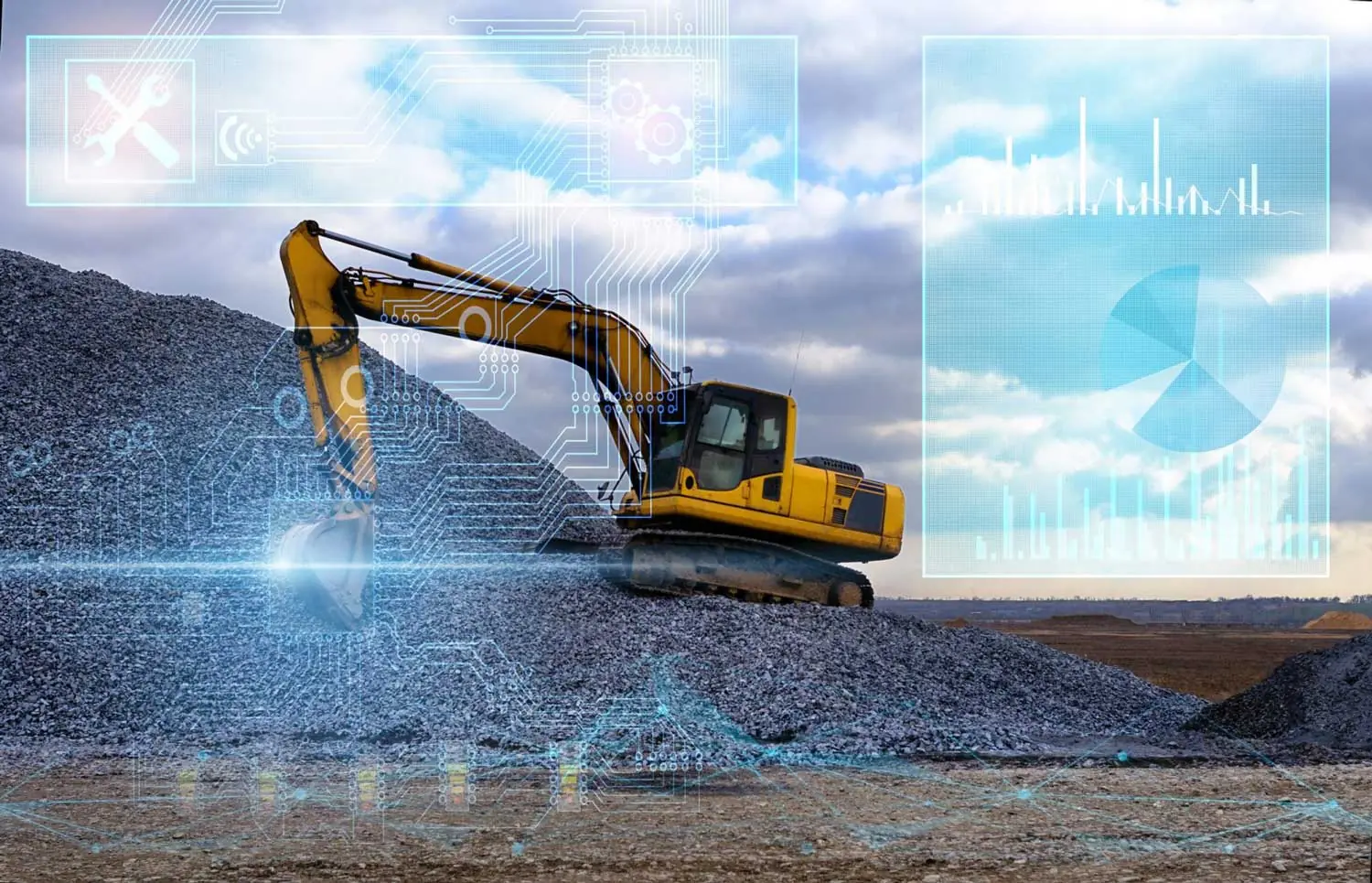
Table of Contents It’s no surprise that technology has impacted almost every industry, including construction. However, according to BLS, construction is one of the deadliest occupations, with more than 900 deaths over the past few years. Although, with more companies adopting this technology and improving safety performance metrics, there could be a potential decline in the number of deaths by

Find Your Fit – HEC
With seven locations across the country, Heavy Equipment Colleges of America is a private education and training school that specializes in training entry-level heavy equipment and crane operators. HEC was founded in 2006 and is proud to offer a wide range of training programs focused around equipment such as wheel loader, backhoe, bulldozer, excavator, mobile crane and lattice boom crawler

Inspection Guide For Mobile Cranes
Mobile crane inspections are a crucial part of construction site safety. Here’s a brief mobile crane inspection guide of what to look for.

10 Quick Tips for Safe Crane Lifts
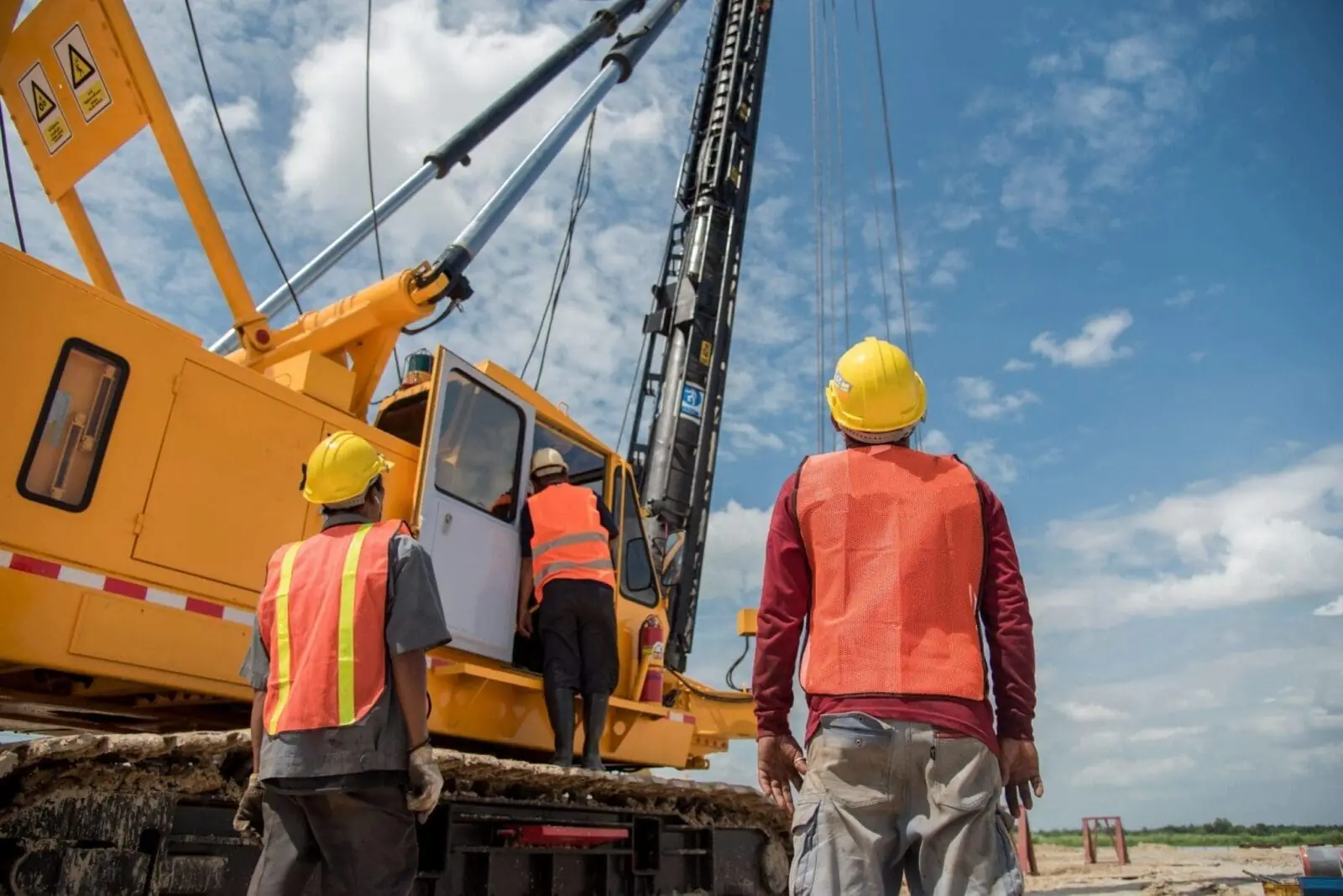
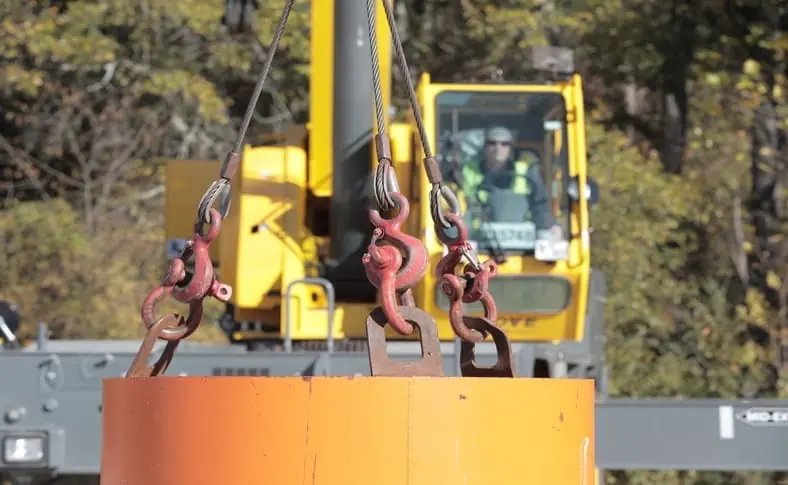
Like all heavy equipment, cranes can pose serious safety risks if not operated correctly. Safe crane lifts depend on careful planning, proper equipment selection, trained personnel, and consistent adherence to safety procedures. Even minor oversights can lead to equipment damage, work-site delays, or severe injuries. Crane operators and lift teams must take proactive steps before, during, and after each lift

A Heavy Equipment Guide: 4 Types of Heavy Equipment Used in Construction
Construction projects usually take multiple kinds of heavy equipment to finish the job. Some machines are more versatile than others. Sometimes, there’s no substitute for heavy equipment that is specifically designed to tackle a certain task. In this brief guide, we’ll break down a few different kinds of heavy equipment used in the construction industry. 4 Types of Heavy Equipment

Bulldozer Training – Learn to Operate a Bulldozer
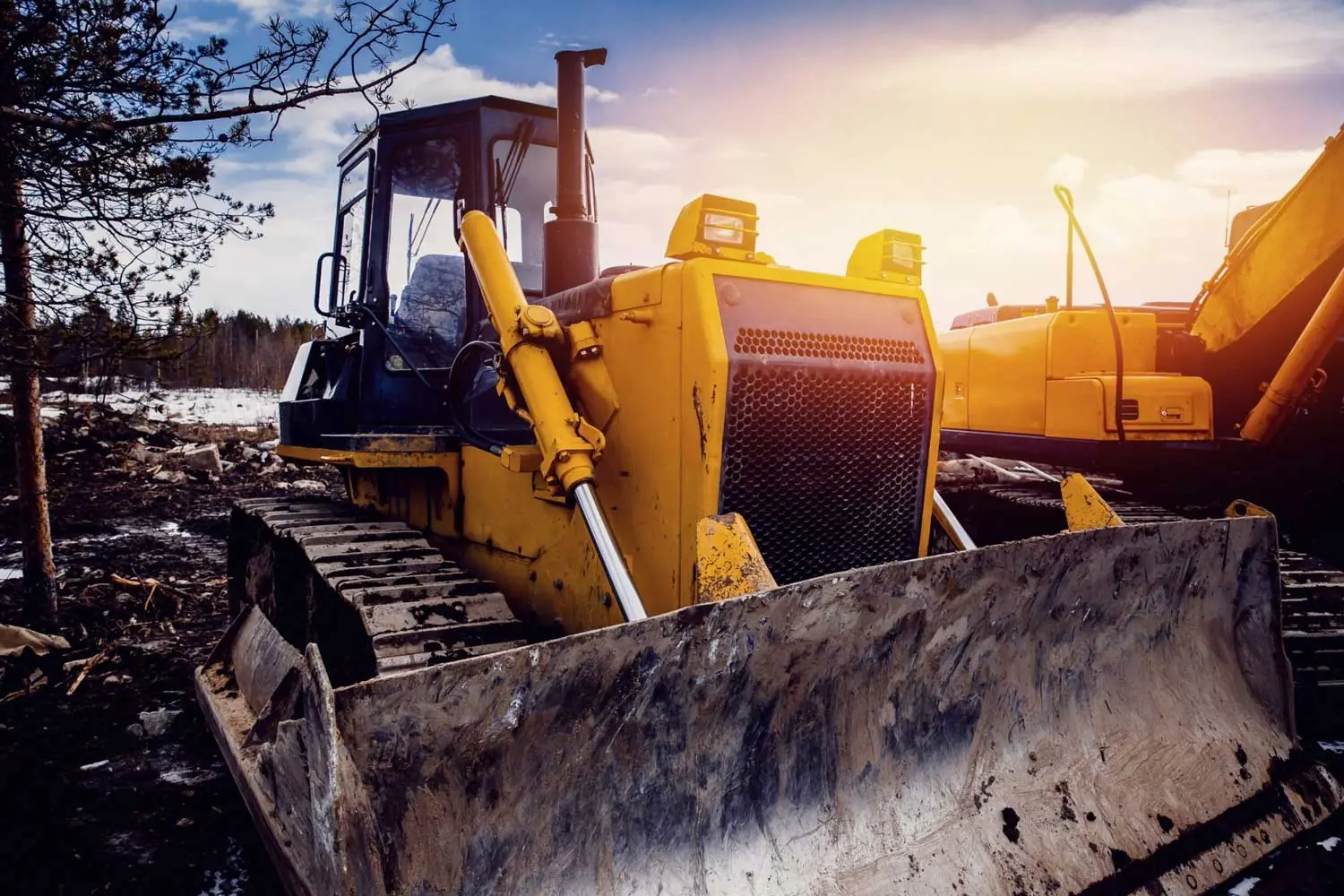
Bulldozers are one of the most famous members of the heavy equipment family. Known for their iconic power and land-moving abilities, you can learn to operate a bulldozer in a heavy equipment operation program. So what does bulldozer training look like? Here’s a taste of what you can expect from a heavy equipment training program. Where can you learn the

Heavy Equipment Safety Checklist
Safety cannot be emphasized enough when it comes to heavy equipment operation. A large part of heavy equipment operator safety is conducting a thorough inspection of the machine before you use it. While going through the pre-operation walk-around, be sure to keep the tasks on this heavy equipment safety checklist in mind. The best way to master the tasks on

Mobile Crane Accidents: Prevention Tips
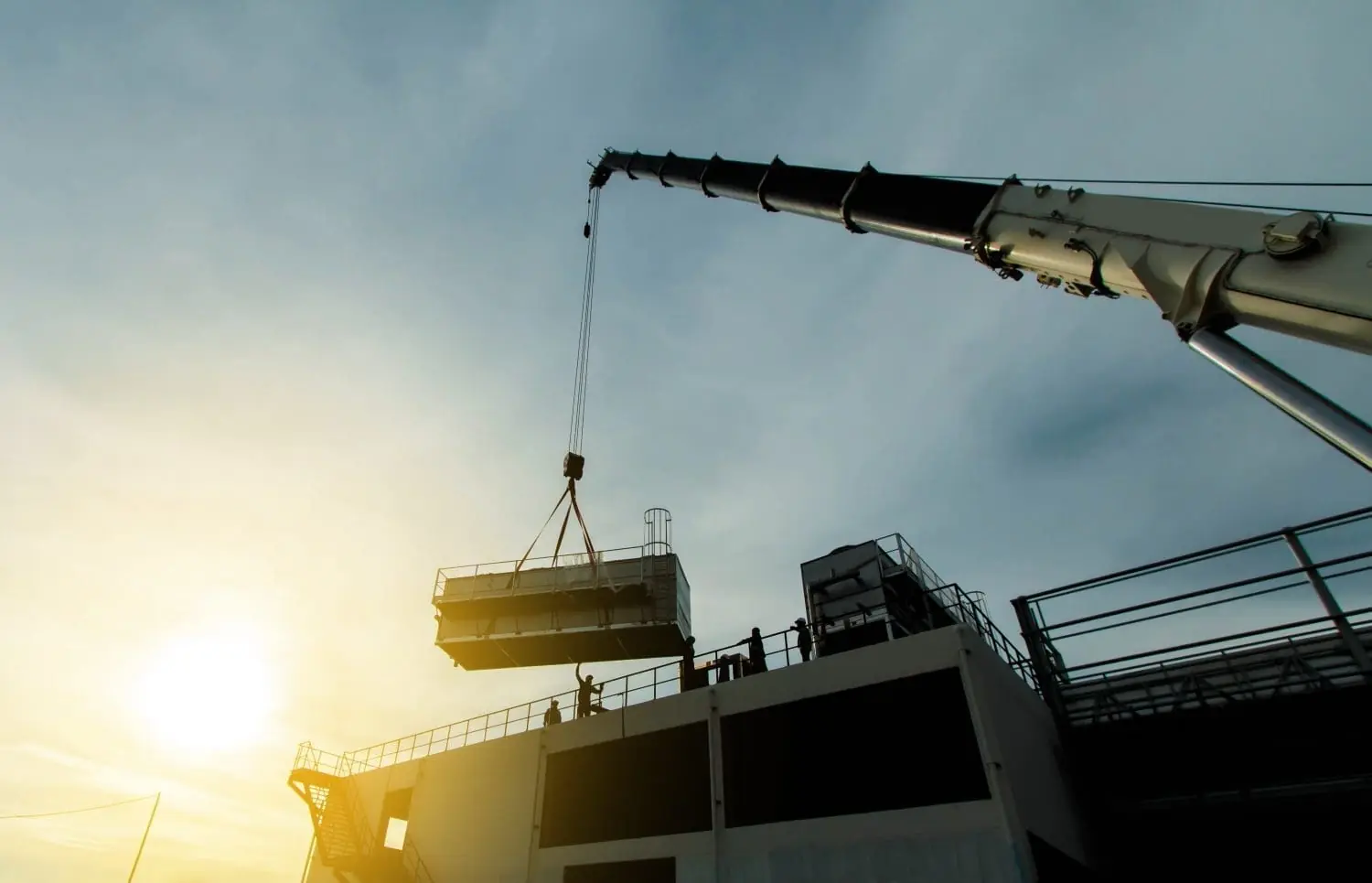
Mobile cranes play a vital role in construction, logistics, and infrastructure development, offering unmatched lifting power and mobility. However, they also come with significant risks when operated without proper training or oversight. Each year, mobile crane accidents result in countless serious injuries, fatalities, and costly property damage, many of which are preventable. Whether you’re a crane operator, site supervisor, or

Interview Tips for Heavy Equipment Operators
You have the heavy equipment operation skills and knowledge down. You know all the safety procedures and what you’re doing in the cab, and you’re ready to get to work. Interviewing, on the other hand, is an entirely different beast to conquer. It can be one of the most overwhelming parts of the job search process for some. Don’t sweat

How to Remain OSHA Compliant in 2019
The Occupational Safety and Health Administration (OSHA) has a comprehensive set of guidelines for construction companies to follow. OSHA guidelines are in place to protect construction workers. Violating them can cost a lot of money, or worse, employees and co-workers. Here are a few things you can do to make sure you, and those you work with, remain compliant. Be
"*" indicates required fields
Take a quick look at goals, interests, and skills to see if Heavy Equipment or Crane Operation is right for you. This easy quiz will guide you through the process.