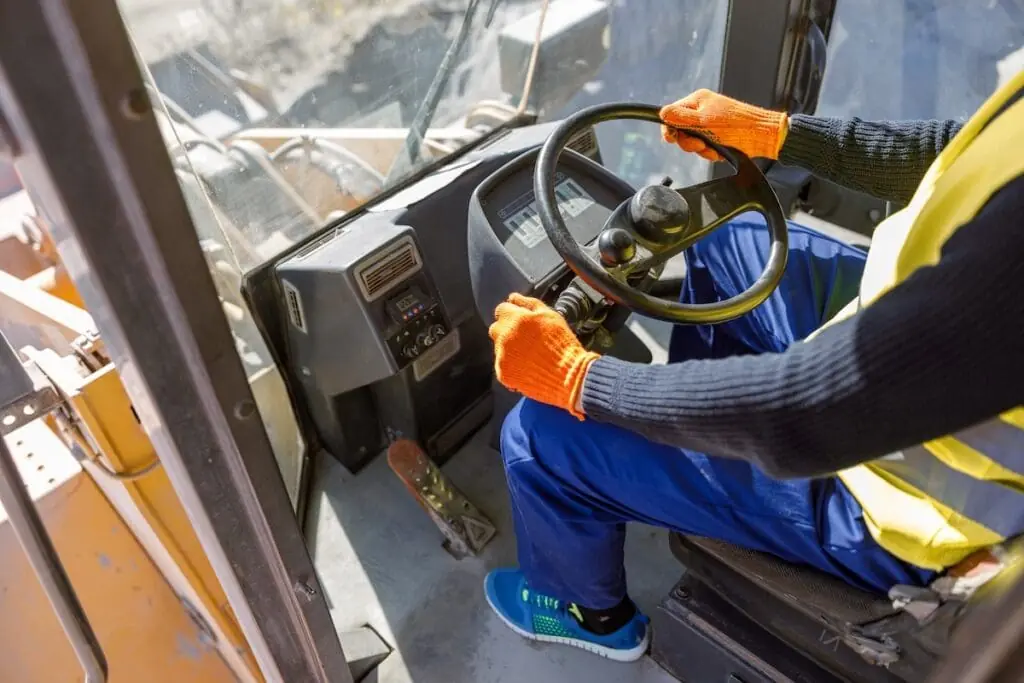
Becoming a heavy equipment operator offers opportunities to work with powerful machinery across construction, infrastructure, mining, and other industries. From operating excavators and bulldozers to preparing construction sites and moving materials, heavy equipment operators play an important role in projects across the country.
If you’re wondering how to become a heavy equipment operator, understanding the training process, job requirements, certifications, and necessary skills is a great place to start. Whether you’re exploring an entry-level heavy equipment operator position or considering a new career path, this 2026 guide covers what you need to know before getting started.
A heavy equipment operator runs machinery like excavators, bulldozers, and cranes to build roads, job sites, and infrastructure.
No prior experience is needed for training and many programs can be completed in a matter of weeks, including Heavy Equipment College of America’s Certificate of Heavy Equipment Operations Level I.
At Heavy Equipment Colleges of America (HEC), we’ve helped thousands of students enter the workforce with real-world, hands-on training and strong industry connections. In this guide, we’ll walk you through everything you need to know about how to become a heavy equipment operator in 2026.
Table of Contents
What is a Heavy Equipment Operator and What Do They Do?
A heavy equipment operator is a trained professional who uses large machinery to move materials, build infrastructure, and complete construction projects safely and efficiently.
On a typical day, operators work on active job sites, often outdoors, collaborating with crews to complete construction projects on time.
Typical job responsibilities include
- Operating heavy machinery to move earth, materials, or debris
- Reading site plans and grade stakes
- Performing basic equipment inspections and maintenance
- Following strict safety procedures
- Coordinating with ground crews and supervisors
Following proper procedures for equipment transportation and storage between projects.
Completing equipment inspection reports, maintenance records, and required job-site documentation.
Heavy equipment operators often work with a variety of machinery depending on their certification.
Common machines operators train on include
- Excavators
- Bulldozers
- Backhoes
- Wheel loaders
- Skid steers
- Graders
- Cranes
- Forklifts
Most operators work full-time, and schedules can include early mornings, long days, or seasonal fluctuations depending on the project. You may find yourself working in different projects and industries like construction sites, road and highway projects, mining operations, or utility and infrastructure projects.
Heavy Equipment Operator Career Requirements and Skills
Becoming a successful heavy equipment operator requires a mix of physical ability, technical knowledge, and strong safety awareness.
Here’s a breakdown of the essential skills you’ll need:
Heavy Equipment Operator Skills by Level
How core operator skills progress from beginner to advanced.
| Skill Area | 🔰Beginner Level | ⭐Advanced Level |
|---|---|---|
| Equipment Operation | Basic controls and safety procedures | Precision operation across multiple machines |
| Safety Awareness | Understanding OSHA basics | Proactive hazard identification and prevention |
| Physical Ability | Stamina and coordination | Endurance for long shifts in demanding environments |
| Technical Knowledge | Basic machine functions | Diagnostics and troubleshooting |
| Communication | Following instructions | Coordinating with crews and supervisors |
| Problem-Solving | Responding to simple issues | Adapting to complex site challenges |
Soft skills are often overlooked, but they’re just as important. Being able to communicate clearly, stay focused under pressure, and adapt to changing job site conditions can set you apart in this field.
Heavy equipment operators must also stay compliant with safety standards set by organizations like OSHA, which play a critical role in job-site safety.
Basic Requirements to Become a Heavy Equipment Operator
Heavy equipment operator requirements vary depending on the equipment, employer, location, and type of work being performed. While some entry-level positions and training programs accept applicants without previous equipment experience, certain jobs may have additional qualifications.
Common requirements and considerations include:
Age: Many positions require applicants to be at least 18.
Driver’s license: Some employers require a valid license.
Physical requirements: Certain positions involve medical or physical evaluations.
Skills testing: Written or practical assessments may be required.
Safety compliance: Operators must follow applicable workplace safety standards.
Not every position requires the same credentials or testing. Before pursuing a specific heavy equipment operator job, review the employer’s qualifications and any applicable state or federal requirements.
Education and Training Pathways
Heavy Equipment Training Pathways Compared
How HEC vocational training stacks up against other routes into the field.
| Pathway | Duration | Cost Range | Pros | Cons |
|---|---|---|---|---|
| Our ProgramVocational Training (HEC) | As little as 3 weeks | Moderate | Fast, hands-on, job-ready skills | Upfront cost |
| Apprenticeships (Union) | 3–4 years | Low | Paid training, union benefits | Long timeline |
| Community College Programs | 1–2 years | Moderate | Structured learning | Less hands-on time |
| On-the-Job Training | Varies | Low | Earn while learning | Slower skill development |
Hands-on heavy equipment operator training can help students become familiar with machine controls, job-site safety, routine inspections, and operating techniques before pursuing entry-level opportunities. When choosing a heavy equipment operator school, consider the equipment available for training, instructor experience, program requirements, and opportunities for practical instruction.
At Heavy Equipment Colleges of America, students combine classroom learning with hands-on equipment training designed to help build foundational operating skills and prepare for the demands of construction job sites. Before enrolling, review HEC’s admissions and financing options to learn more about getting started.
Certification and Licensing Requirements
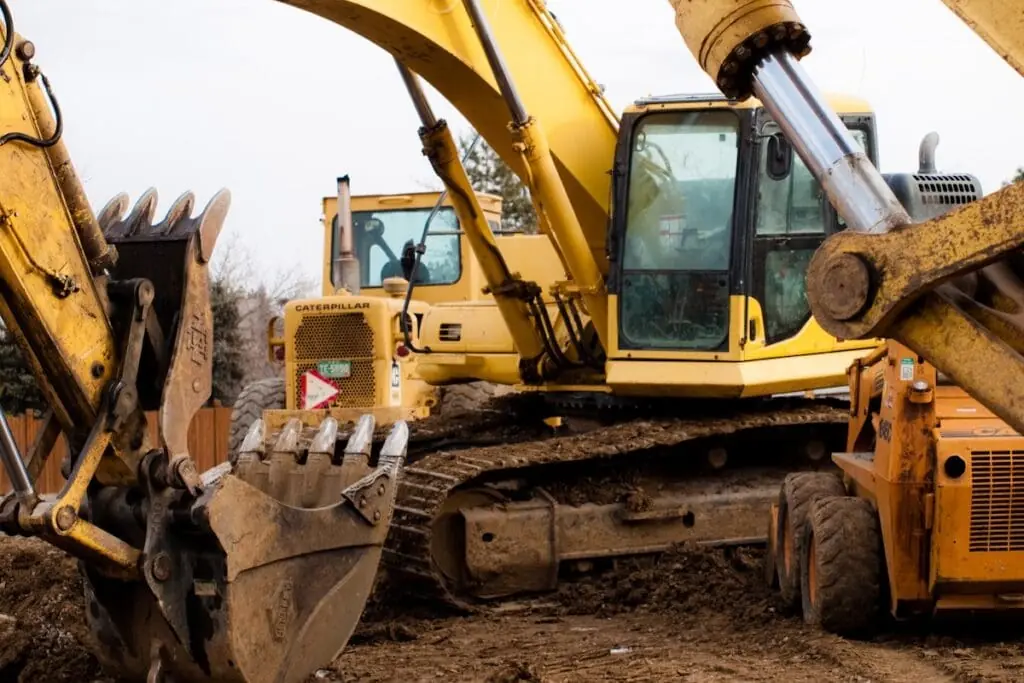
Understanding heavy equipment operator certification and licensing requirements is an important part of preparing for the construction industry. The qualifications needed depend on the type of equipment, employer expectations, and applicable state or federal regulations.
There is no single universal heavy equipment operator license required for all construction machinery. However, certain positions may require documented training, practical evaluations, equipment-specific certifications, or a commercial driver’s license (CDL).
1. Complete Heavy Equipment Operator Training
Hands-on training develops essential equipment operation skills, including machine controls, inspections, and job-site safety procedures.
2. Complete Applicable OSHA Safety Training
Some employers require OSHA 10-hour or 30-hour Outreach Training, which covers workplace hazard recognition and safety principles. These courses do not provide a universal heavy equipment operator certification.
3. Earn Equipment-Specific Certifications When Required
Certain equipment, including some cranes, requires specialized certification or operator qualifications. Organizations such as CCO offer crane operator certification programs..
4. Understand State and Employer Licensing Requirements
Licensing requirements vary by state, equipment type, and employer. Always check the qualifications for your intended position.
5. Maintain Required Certifications and Qualifications
Some credentials require renewal or periodic evaluations to remain valid.
Do You Need a CDL to Operate Heavy Equipment?
A commercial driver’s license (CDL) is not required for every heavy equipment operator. However, it may be necessary when driving certain commercial vehicles on public roads, such as trucks transporting construction equipment.
CDLs are classified as Class A, B, or C based on vehicle requirements. Operating machinery such as excavators or bulldozers on a construction site does not automatically require a CDL.
For more information about training and licensing, explore our guide to getting a heavy equipment operator license.
Heavy Equipment Operator Job Market and Salary
The demand for heavy equipment operators remains strong across the U.S., especially with continued investments in infrastructure, construction, and energy.
According to the Bureau of Labor Statistics:
- Median salary: $59,600/year
- Entry-level: ~$47,000/year
- Experienced operators: ~$77,500/year
- Job growth: 4% projected from 2025–2035 (BLS)
Actual salaries vary by experience, location, and employer. Figures are national estimates, not guaranteed earnings.
Equipment Specializations and Career Paths
Heavy equipment operators can specialize in different machinery based on their training, skills, and career goals.
Common heavy equipment specialization paths include:
Excavator Operator
- High demand in construction and utility work
- Opportunities to advance into site prep and grading roles
- Requires specialized excavator training
Bulldozer Operator
- Focus on land clearing and grading
- Often used in large-scale infrastructure projects
Crane Operator
- Higher earning potential
- Requires specialized crane operator certification
Forklift Operator
- Common in warehouses and logistics
- Requires forklift certification
Backhoe and Loader Operator
- Versatile roles across multiple industries
Specializing in certain equipment can increase your earning potential and open doors to more advanced positions. If you’re exploring your options, reviewing the different types of heavy equipment can help you decide which path fits your goals.
Heavy Equipment Operator Salary by Experience
Typical earnings as operators gain experience and specialize.
| Experience Level | Average Salary |
|---|---|
| Entry-Level | $32,000 – $40,000 |
| Mid-Level | $45,000 – $60,000 |
| Experienced | $65,000 – $78,000+ |
Salary ranges are estimates and vary by location, employer, certifications, and specialization; they are not a guarantee of employment or earnings. For current wage data, see the U.S. Bureau of Labor Statistics.
Heavy Equipment Operator Job Market and Salary
Heavy equipment operators work across industries that rely on machinery for construction, site development, material handling, and infrastructure projects.
Heavy equipment operator jobs can be found in several industries, including:
Construction and infrastructure: Building roads, highways, commercial properties, and other developments.
Oil and gas: Supporting site preparation, excavation, and related operations.
Mining: Operating machinery used for excavation, material movement, and extraction-related projects.
Transportation and utilities: Supporting road construction, utility installation, and infrastructure maintenance.
What Affects Heavy Equipment Operator Salary?
Heavy equipment operator salaries vary depending on several factors, including:
Geographic location and regional demand.
Previous operating experience and training.
Equipment specialization and qualifications.
Employer, industry, and job responsibilities.
Project schedules and available working hours.
Entry-level heavy equipment operator positions may have different qualifications and compensation structures than specialized roles requiring additional training or experience.
For current occupational wage information and employment projections, visit the U.S. Bureau of Labor Statistics.
While heavy equipment training can help individuals prepare for opportunities in the industry, employment and earnings depend on individual qualifications, employer requirements, and labor market conditions.
How to Get Started: Step-by-Step Action Plan
Learning how to become a heavy equipment operator begins with understanding the job, choosing the right training pathway, and developing the qualifications employers look for.
Step 1: Research Heavy Equipment Operator Careers
Explore different types of heavy equipment, operator responsibilities, working conditions, and the skills required for each position.
Step 2: Choose a Heavy Equipment Operator Training Program
Compare vocational schools, apprenticeships, and other training options. Look for hands-on equipment experience, safety instruction, and industry-experienced instructors.
Step 3: Complete Hands-On Equipment Training
Develop practical skills in equipment controls, inspections, safe operating procedures, and job-site communication.
Step 4: Meet Applicable Certification and Licensing Requirements
Complete any certifications, evaluations, or licensing requirements applicable to your intended equipment and position.
Step 5: Build Your Heavy Equipment Operator Resume
Highlight your completed training, equipment experience, safety credentials, and relevant work history. If you’re new to the industry, clearly identify your supervised training experience.
Step 6: Apply for Heavy Equipment Operator Jobs
Explore entry-level opportunities through construction company websites, job boards, career fairs, and industry contacts.
HEC students and graduates can also explore career services for resume assistance, interview preparation, and employer networking opportunities.
Step 7: Gain Experience and Explore Specializations
Continue developing your operating skills and safety knowledge. Additional training, such as HEC’s Level II program, can help you expand your equipment experience.
Veterans and eligible service members may also qualify for education assistance through programs such as the GI Bill®, which can help cover the cost of approved training.
*GI Bill® is a registered trademark of the U.S. Department of Veterans Affairs (VA). More information about education benefits offered by VA is available at the official U.S. government Web site at https://www.benefits.va.gov/gibill.
Get Started
At Heavy Equipment Colleges of America, students develop foundational equipment operation skills through hands-on training and classroom instruction. Whether you’re exploring heavy equipment operator training for the first time or looking to expand your skills, HEC offers programs designed to help you prepare for the demands of the construction industry.
Explore our heavy equipment training programs or connect with an admissions representative to learn more about your options.
Frequently Asked Questions
How do you get started as a heavy equipment operator?
To get started as a heavy equipment operator, you should research the career, enroll in a hands-on training program, complete certification, and apply for entry-level roles. Specialized training can prepare you for the jobsite faster than on-the-job training alone. From there, operators build experience and specialize in higher-skill equipment over time.
Do I need prior experience to become a heavy equipment operator?
No prior experience is required. Most operators start with formal training programs that teach everything from safety procedures to equipment operation.
How long does it take to become a heavy equipment operator?
Training programs can be completed in as little as 3 weeks. Additional on-the-job experience of 6–12 months helps strengthen your resume and build your skills.
What Are the Requirements to Become a Heavy Equipment Operator?
Heavy equipment operator requirements vary by employer, equipment type, and location. Many entry-level positions require applicants to be at least 18 years old, and some employers require a valid driver’s license, relevant safety training, or practical evaluations. Certain positions may also involve additional medical or certification requirements.
What is the average salary for heavy equipment operators?
Heavy equipment operator salaries vary depending on experience, location, equipment specialization, and employer. For current wage estimates and regional comparisons, refer to the U.S. Bureau of Labor Statistics Occupational Outlook Handbook.
Are heavy equipment operator jobs in demand?
Yes. Job growth for heavy equipment operators is projected at 7% through 2032, driven by ongoing construction and infrastructure projects. (bls.gov)
Can veterans use GI Bill® benefits for heavy equipment training?
Yes. Many vocational programs, including those at Heavy Equipment Colleges of America, are approved for VA education benefits.
Do You Need a License to Operate Heavy Equipment?
Not all heavy equipment requires a universal operator license. Licensing and certification requirements depend on the type of equipment, employer, and applicable regulations. Certain equipment, including some cranes, may require specialized certification or licensing.
Do Heavy Equipment Operators Need a CDL?
A CDL is not required for every heavy equipment operator. However, operators who drive certain commercial motor vehicles on public roads, including trucks transporting heavy machinery, may need an appropriate commercial driver’s license. Requirements depend on the vehicle and driving responsibilities.